Japonista
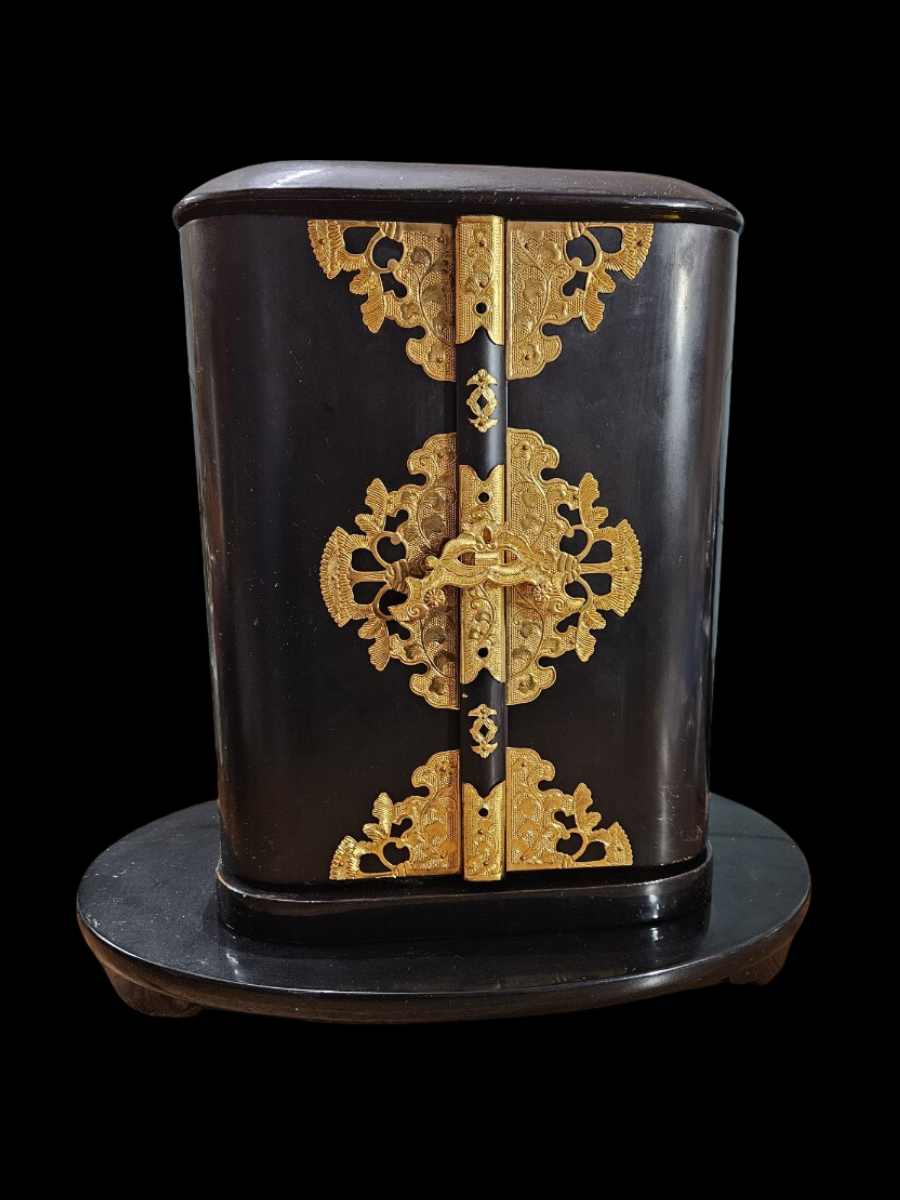
Santuario zushi portátil Edo-Meiji con figura tallada de monje asceta, madera policromada, interior dorado, 22 cm
Santuario zushi portátil Edo-Meiji con figura tallada de monje asceta, madera policromada, interior dorado, 22 cm
Freight piece: please confirm delivery before purchase
This piece travels in a crate or by freight rather than standard mail, and may need careful dismantling before it can be packed. The shipping shown at checkout is an estimate. Japonista reserves the right to determine the final handling, crating and freight cost when your order is received, according to the piece, the destination and carrier conditions at that time.
We advise requesting a delivery quote before checkout. If the final cost is higher than the amount paid, we send the difference for your approval before dispatch. Your piece is held for you until it is settled.
Request a delivery quoteNo se pudo cargar la disponibilidad de recogida
All sales are final. Please read our refund policy before purchase.
Have a reasonable price in mind? Submit your best offer and our concierge will review it personally.
A seated ascetic, elongated and wrapped in layered robes, meditates within a small zushi whose dark lacquer opens onto gold. Rooted in Shugendō mountain practice and the popular devotion of late Edo and early Meiji Japan, it is a quiet, deeply human icon made for private altars, pilgrims and travel.
The Piece
This intimate zushi presents a rare and evocative example of late Edo to early Meiji popular devotional culture, centered on a sculpted ascetic monk seated in meditative composure. Unlike formal temple icons carved for institutional worship, it belongs to the private, domestic sphere of personal veneration, travel and household altars.
The figure's exaggerated ascetic form, with elongated torso and simplified anatomy, reflects folk-sculptural traditions influenced by Shugendō mountain practice, where spiritual power was associated with bodily discipline, endurance and isolation. The coiled, layered garment carved around the body suggests ritual wrapping or ascetic robes rather than courtly Buddhist vestments, reinforcing the figure's identity as a holy hermit rather than a classical bodhisattva. The expressive face emphasizes calm endurance.
The zushi is equally important. Its gilded interior panels create a symbolic sacred space, an architectural microcosm that turns the modest carving into a complete portable altar, and the contrast between dark exterior lacquer and radiant gold interior mirrors Buddhist cosmology: the ordinary world opening inward toward awakened insight. Such pieces were commonly owned by lay practitioners, pilgrims and rural households during the social transition of the Meiji period, when state-supported Buddhism collapsed and devotional practice shifted toward personal, resilient forms. The aesthetic is quiet, introspective and deeply human, far removed from imperial Buddhist splendor yet spiritually intimate.
Details
- Era: Late Edo to early Meiji period (c. mid-19th century)
- Origin: Japan
- Material: Wood (carved and assembled), polychrome pigments, lacquered base, gilt interior panels
- Construction: Hand-carved wooden figure housed within a hinged wooden zushi with gilded interior
- Measurements: Overall height approx. 22 cm · Width approx. 15 cm · Depth approx. 13.5 cm
- Iconography: Ascetic monk (mountain ascetic / hermit type), possibly Shugendō-influenced
Condition
- Very good for age overall; assessment based on photographs.
- No major structural damage observed.
- Surface wear consistent with age and devotional handling; polychrome pigments remain legible.
- Shrine doors intact and functional.
Authenticity & Care
The figure is identified by type as a mountain ascetic or hermit, possibly Shugendō-influenced, rather than a named deity; condition assessment is based on photographs. Every piece is examined and documented in Japan before dispatch and is offered with the Japonista authenticity guarantee.
Delivery from Japan
Packed by hand in Japan and shipped insured and tracked by EMS or an equivalent express service. Import duties and taxes, where applicable, are payable on arrival. Returns follow our published policy.
Considered offers are welcome through Send an Offer, and each one is reviewed personally. Pieces over $1,000 may be reserved over several payments with Layaway Privilege™.
Continue browsing: Butsudan & Altars · Buddhist Statues & Sacred Art
Related pieces: Jizo Bosatsu stone relief in gassho prayer · Carved wood Marishiten guardian on boar · Nyoirin Kannon icon in portable zushi
Temple to Home
Monumental statues, zushi shrines and altars travel crated and insured through our Museum-Grade Logistics Suite™. Seeking a particular deity or school? The Hunting Salon™ searches Japan for it. Arrange crating and freight →
Collectors also search: shugendo ascetic statue · antique zushi with monk · japanese folk buddhist carving · mountain ascetic yamabushi figure · edo meiji portable shrine · wabi sabi buddhist folk art