Japonista
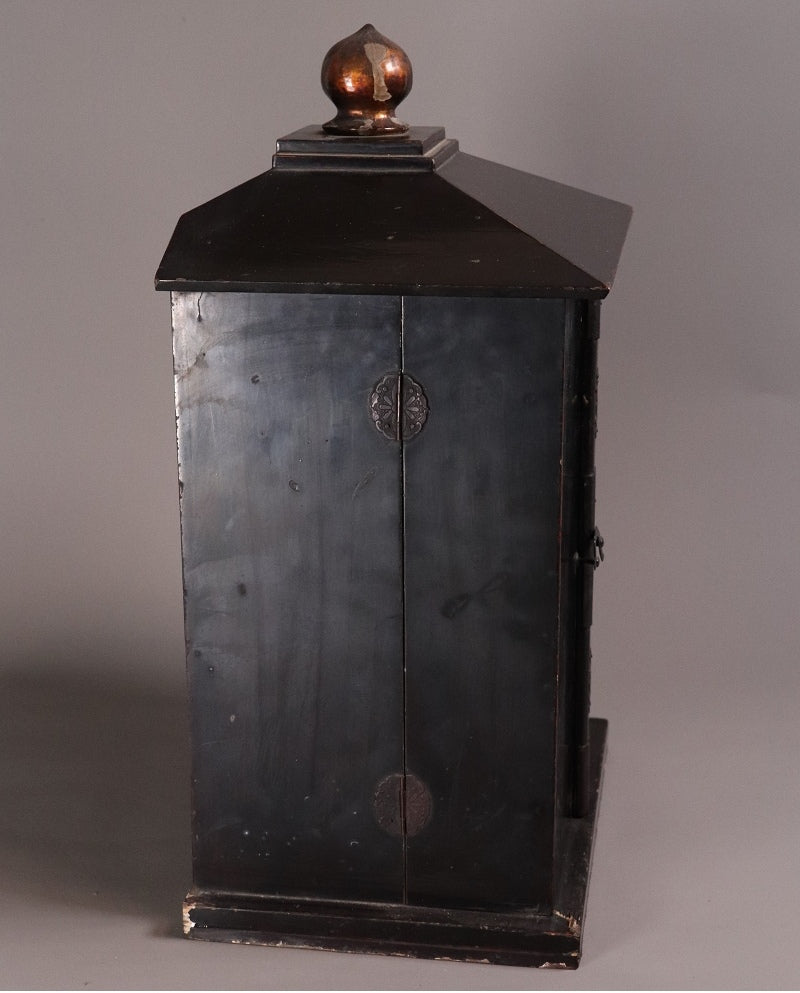
Retrato sedente de Kōbō Daishi (Kūkai) en santuario zushi portátil, madera policromada, Japón de comienzos de la Edad Moderna, 48 cm
Retrato sedente de Kōbō Daishi (Kūkai) en santuario zushi portátil, madera policromada, Japón de comienzos de la Edad Moderna, 48 cm
Freight piece: please confirm delivery before purchase
This piece travels in a crate or by freight rather than standard mail, and may need careful dismantling before it can be packed. The shipping shown at checkout is an estimate. Japonista reserves the right to determine the final handling, crating and freight cost when your order is received, according to the piece, the destination and carrier conditions at that time.
We advise requesting a delivery quote before checkout. If the final cost is higher than the amount paid, we send the difference for your approval before dispatch. Your piece is held for you until it is settled.
Request a delivery quoteNo se pudo cargar la disponibilidad de recogida
All sales are final. Please read our refund policy before purchase.
Have a reasonable price in mind? Submit your best offer and our concierge will review it personally.
Some objects feel like sculpture; others feel like a room. This portable zushi belongs to the second kind: a small devotional architecture that opens to reveal a seated portrait of Kōbō Daishi (Kūkai), founder of Japanese Shingon Buddhism, in temple-style polychromy, housed in a tall cabinet that reads as a private inner sanctum.
The Piece
This work is offered as a complete zushi shrine: a carved and painted wooden portrait figure seated in calm authority, enclosed by a cabinet with doors that open and close normally. In Japanese religious material culture the zushi is not merely a container. It is a threshold, a miniature altar-room that frames the figure as presence rather than form alone.
Kōbō Daishi, known historically as Kūkai, founded Japanese Shingon Buddhism and is celebrated as a scholar, ritual master and transmitter of esoteric teachings. In Japanese culture he is associated with mantra practice, protective rites, the ethics of study, and the resilience required to keep going when circumstances become difficult. Portrait images of Kūkai are revered for their association with disciplined practice, learning, protection and spiritual steadiness; set within a zushi, the doors become a ritual gesture that turns viewing into an act of approach.
Three qualities define the piece. The temple-style polychromy shows layered color and age-softened transitions that suggest long-term handling and exposure to interior shrine environments; even where losses are present, the remaining pigment conveys lived ritual atmosphere rather than decorative finish. The cabinet height creates vertical breathing space above the figure, a compositional choice that emphasizes sanctum over display case, and one reason zushi pieces feel stronger than stand-alone statues of similar size. And, as in the best Kūkai portraits, the power lies not in dramatic gesture but in stability, gaze and the suggestion of inner discipline.
Kūkai portrait subjects carry deep cultural gravity, the zushi format adds architectural presence, the scale is substantial yet practical, and the patina reads as lived devotion rather than decorative reproduction. The shrine may be displayed open or closed, both historically correct: closed display emphasizes mystery and protection, open display presence and ritual encounter.
Details
- Era: Early-modern Japan
- Origin: Japan
- Material: Carved and painted (polychrome) wood figure; wooden zushi cabinet with doors
- Measurements: Zushi cabinet: approx. 48 cm H × 30.5 cm W × 22.2 cm D, approx. 2.425 kg · Figure: approx. 28.7 cm H × 23.2 cm W × 16.5 cm D, approx. 1.020 kg
- Included: Detached accessory parts kept in a small bag
- Catalog line: Portable zushi shrine with seated portrait of Kūkai (Kōbō Daishi), polychrome wood; early-modern Japan
Condition
- Aged condition with expected wear for an early-modern shrine: scuffs, surface losses, chips, and areas of separation or traces of repair may be present.
- Accessory loss is noted; the parts are kept in a small bag. General age-related wear throughout.
- Doors open and close normally.
- Small losses can occur along protruding details and cabinet corners; please review all photographs for exact surface reading and edges.
Understanding the Zushi
A zushi is a protective devotional cabinet used to house a sacred figure. Historically, zushi shrines served both temples and private settings: household altars, study rooms, travel contexts and small chapel spaces. The format protects the sculpture from dust and light, but it also structures attention. Closed, the shrine holds the sacred image in reserve; opened, it stages a moment of encounter. In zushi shrines, patina and handling wear often read as evidence of lived use rather than as a defect.
Authenticity & Care
No workshop is claimed: without inscription or documentary record, workshop attribution remains open. The early-modern dating and temple-style description rest on iconography and construction. Every piece is examined and documented in Japan before dispatch and is offered with the Japonista authenticity guarantee.
Delivery from Japan
Packed by hand in Japan and shipped insured and tracked by EMS or an equivalent express service. Import duties and taxes, where applicable, are payable on arrival. Returns follow our published policy.
Considered offers are welcome through Send an Offer, and each one is reviewed personally. Pieces over $1,000 may be reserved over several payments with Layaway Privilege™.
Continue browsing: Butsudan & Altars · Buddhist Statues & Sacred Art
Related pieces: Gilt-relief bronze tripod incense burner · Zushi shrine cabinet with gilt Buddha triad · Large gold-toned butsudan altar cabinet
Temple to Home
Monumental statues, zushi shrines and altars travel crated and insured through our Museum-Grade Logistics Suite™. Seeking a particular deity or school? The Hunting Salon™ searches Japan for it. Arrange crating and freight →
Collectors also search: kobo daishi zushi shrine · kukai portrait statue · shingon buddhism altar shrine · polychrome wood buddhist portrait · antique japanese zushi cabinet · kukai seated figure · japanese portable shrine with figure