Aloha & Wagara Kimono Remake — Japanese Textiles, Reimagined
A refined fusion of Japanese wagara textiles and relaxed Aloha silhouettes—creating modern garments from the soul of traditional kimono fabrics.
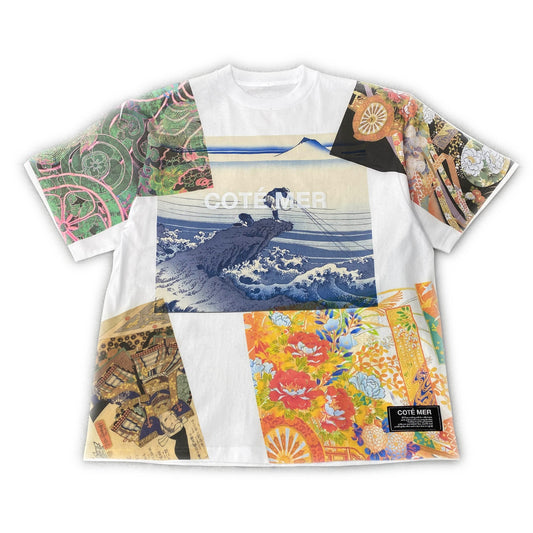
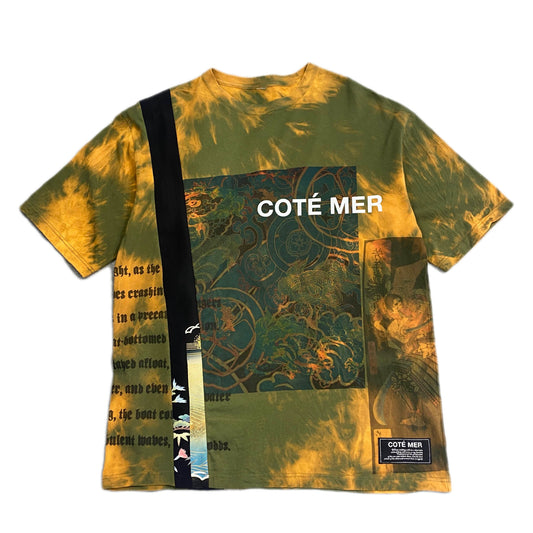
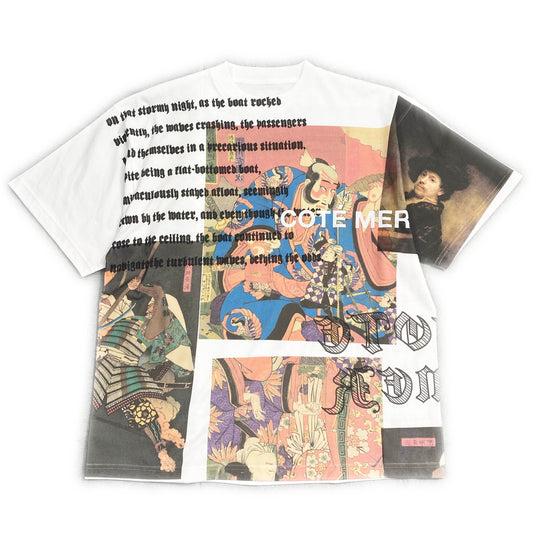
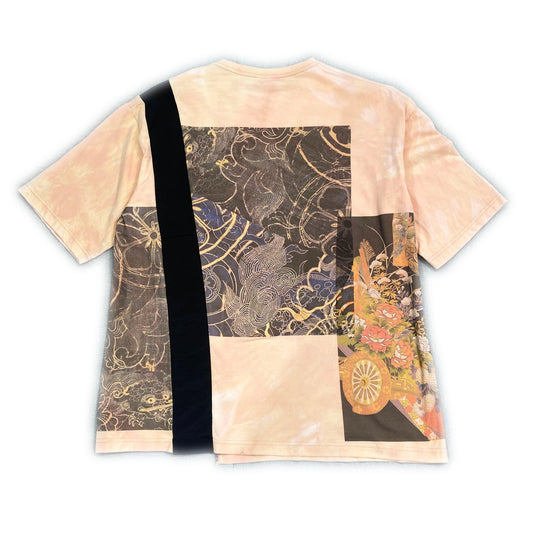
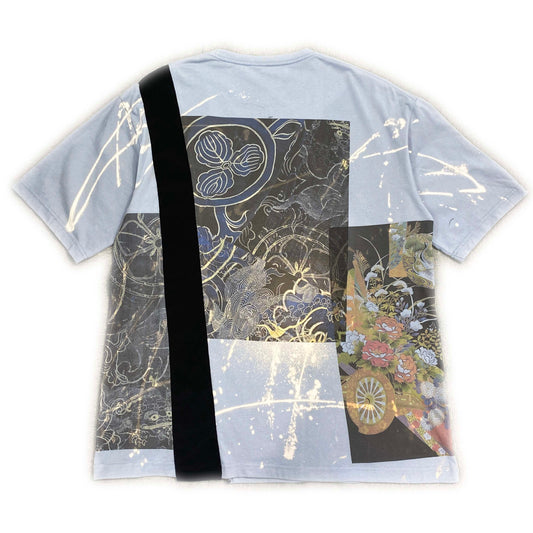
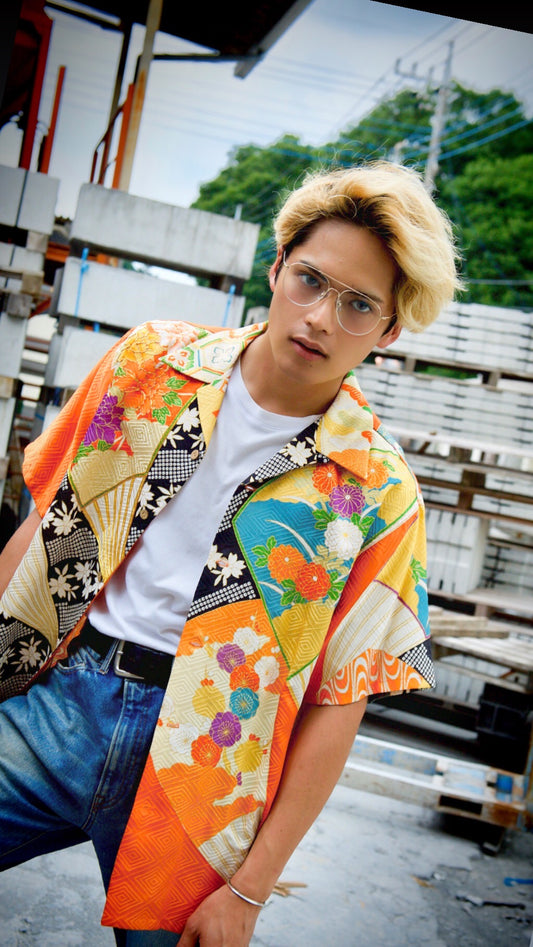
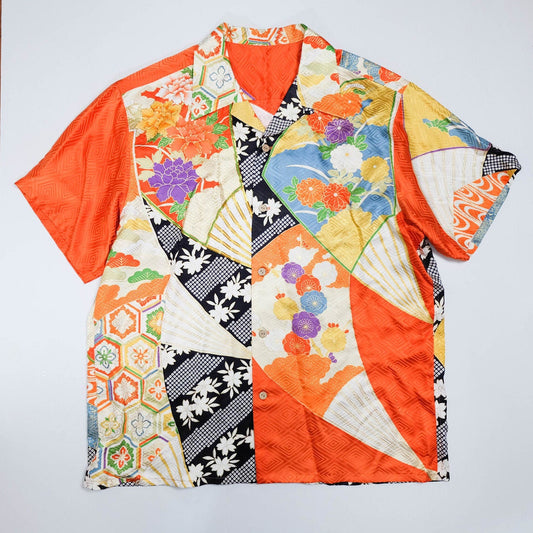
The Aloha & Wagara Kimono Remake Collection showcases garments crafted from vintage kimono textiles, yukata cottons, and handwoven fabrics. These pieces reinterpret tradition through contemporary tailoring, transforming historic materials into expressive, wearable art.
Whether made from silk kimono, indigo kasuri, wagara-patterned jacquard, or hanhaba obi fabrics, each garment honors the past while embracing a modern sensibility.
Within this archive, you may find:
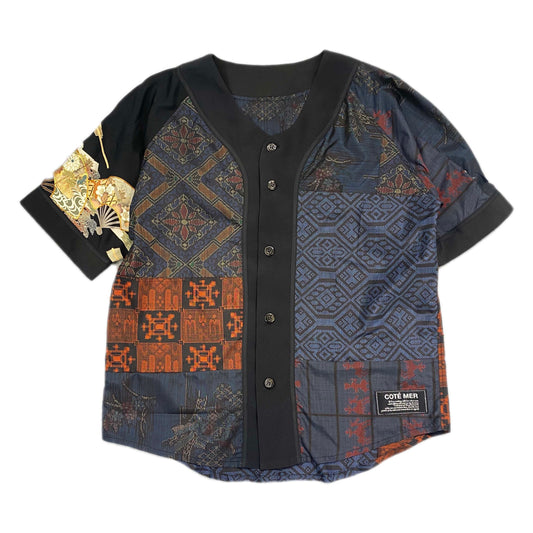
- Aloha shirts crafted from vintage kimono fabrics
- Patchwork kimono jackets and haori remakes
-
Wagara-patterned tops with modern silhouettes
- Kasuri, katazome, and shibori textile garments
- One-of-a-kind upcycled kimono creations
Aloha & wagara kimono remake garments are not novelty hybrids. They are material conversations—born from movement, exchange, and reinterpretation. In Japan, textiles have always been fluid rather than fixed, adapting to climate, labor, ceremony, and daily life. This collection sits within that lineage.
Kimono fabric carries memory. Patterns were historically chosen not only for beauty, but for seasonality, symbolism, and social rhythm. Waves suggested continuity, florals marked time, geometric repeats conveyed order. When these textiles are re-cut into aloha-style garments, the meaning does not disappear—it shifts. The cloth learns a new posture.
Aloha silhouettes themselves are products of cultural movement. Originally shaped by Japanese, Okinawan, and immigrant tailoring traditions in Hawaii, they represent one of the earliest global garment dialogues. In this context, wagara does not decorate aloha forms—it returns to them.
Within this collection, emphasis is placed on continuity of material intelligence. Pattern placement is deliberate. Fabric direction is respected. Seams are treated as structural decisions rather than conveniences. The result is not costume, but lived clothing—garments that carry visual density without feeling ceremonial or distant.
These garments carry the intimacy of history—the softness of aged textiles, the depth of hand-dyed patterns, and the emotional resonance of materials once worn for celebration or ritual.
Curated by Japonista, this collection honors Japanese textile heritage through thoughtful modern reinterpretation.
Looking for a specific textile or pattern?
For rare kimono fabrics, heirloom textiles, or custom garment sourcing, our Concierge & Cultural Sourcing Service can help locate exceptional textiles from across Japan.
Curator’s Note: To understand the cultural meaning behind these pieces, explore our permanent reference guide: The Living Language of Japanese Visual Culture.
Frequently Asked Questions
What is wagara?
Wagara refers to traditional Japanese textile patterns, often tied to seasonality, symbolism, and cultural rhythm rather than decoration alone.
Are these garments made from actual kimono fabric?
Many pieces are crafted from vintage or reproduction kimono textiles, while others reinterpret wagara through newly woven fabrics inspired by traditional patterns.
Why combine wagara with aloha silhouettes?
Aloha garments historically emerged from Japanese and immigrant tailoring traditions. This combination reflects a return rather than a fusion.
Are these garments meant for daily wear?
Yes. These pieces are designed as lived garments, balancing visual density with comfort and movement.
Do patterns have fixed meanings?
Patterns have traditional associations, but meaning also emerges from placement, proportion, and how motifs interact within a single garment.