

What Is a Sutajan? Explaining the Differences Between Sukajan, Varsity Jacket and Award Jacket
If you spend any time hunting vintage jackets, one question always appears sooner or later: “Is this a sukajan, a sutajan, a varsity jacket or an award jacket?” The names sound similar, the silhouettes overlap, and Japanese fashion slang makes things even more confusing. Yet behind those near-identical syllables are two very different jacket lineages — one born from American college sports culture, the other from post-war Yokosuka souvenir history.
At Japonista, we live in that crossroads: Japanese street culture, American vintage, and the global revival of nostalgic outerwear. So let’s slow down and decode it properly — with clear definitions, visual examples, and styling ideas, while preserving all of the original reference imagery.
1. Sutajan / Stadium Jacket – The Japanese Name for the Varsity Jacket
In simple terms, “sutajan” (スタジャン) is Japanese shorthand for stadium jumper — what the English-speaking world usually calls a varsity jacket, letterman jacket, or award jacket. It began as functional sportswear. Baseball players and school athletes needed a warm layer to pull over their uniforms on cold days, so tailors developed a jacket with a thick wool or melton body, contrasting sleeves, ribbed hems and bold letters that showed which team or school you belonged to.
Over time, these jackets moved from dugouts and stadium benches into the campus plaza, and finally onto the streets. What began as pure utility slowly became a symbol of belonging, achievement and youth culture. Japan adopted this American sports jacket enthusiastically. By the 1980s, sutajan were everywhere — from university circles to Shibuya casual style — and later reappeared in high fashion through designer “teddy jackets.” Today, when Japanese vintage fans say “sutajan”, they are essentially talking about the classic varsity / award jacket silhouette.

2. What Is a Sukajan? The Yokosuka Souvenir Jacket
Where sutajan comes from campus sports, sukajan (スカジャン) comes from Yokosuka, a port city in Kanagawa with a large U.S. Navy base. After World War II, American soldiers began commissioning custom jackets as souvenirs — baseball-style jackets embroidered with bold Japanese imagery. That mix of American silhouette and Japanese craft created something entirely new: the souvenir jacket, later nicknamed “Yokosuka jumper” and shortened to sukajan.
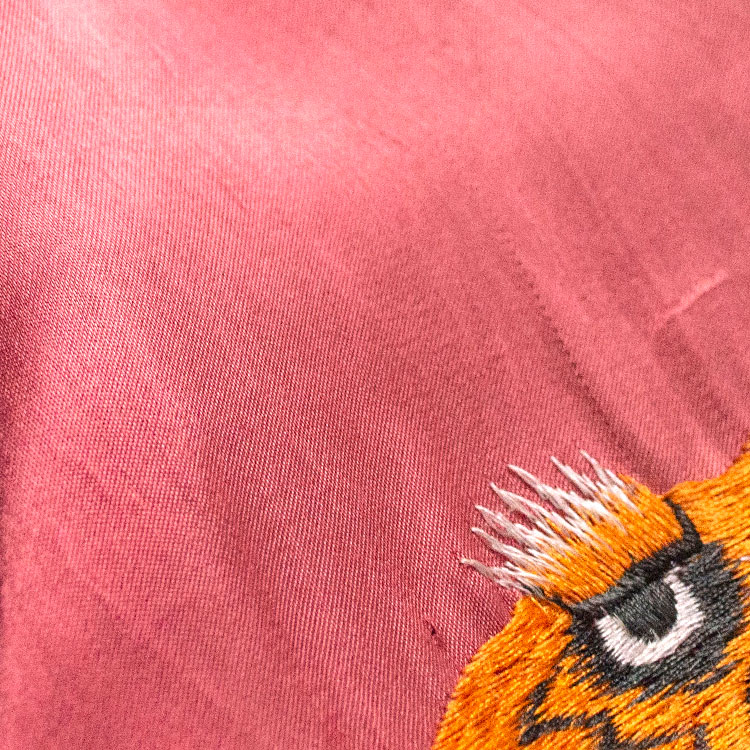
Sukajan are defined by shiny satin or acetate bodies, often reversible construction, and large colorful embroidery featuring dragons, tigers, eagles, geisha, maps of Japan or Mt. Fuji. They feel lighter and drapier than sutajan, almost like nightwear turned streetwear, and have become icons of Japanese subculture around the world.
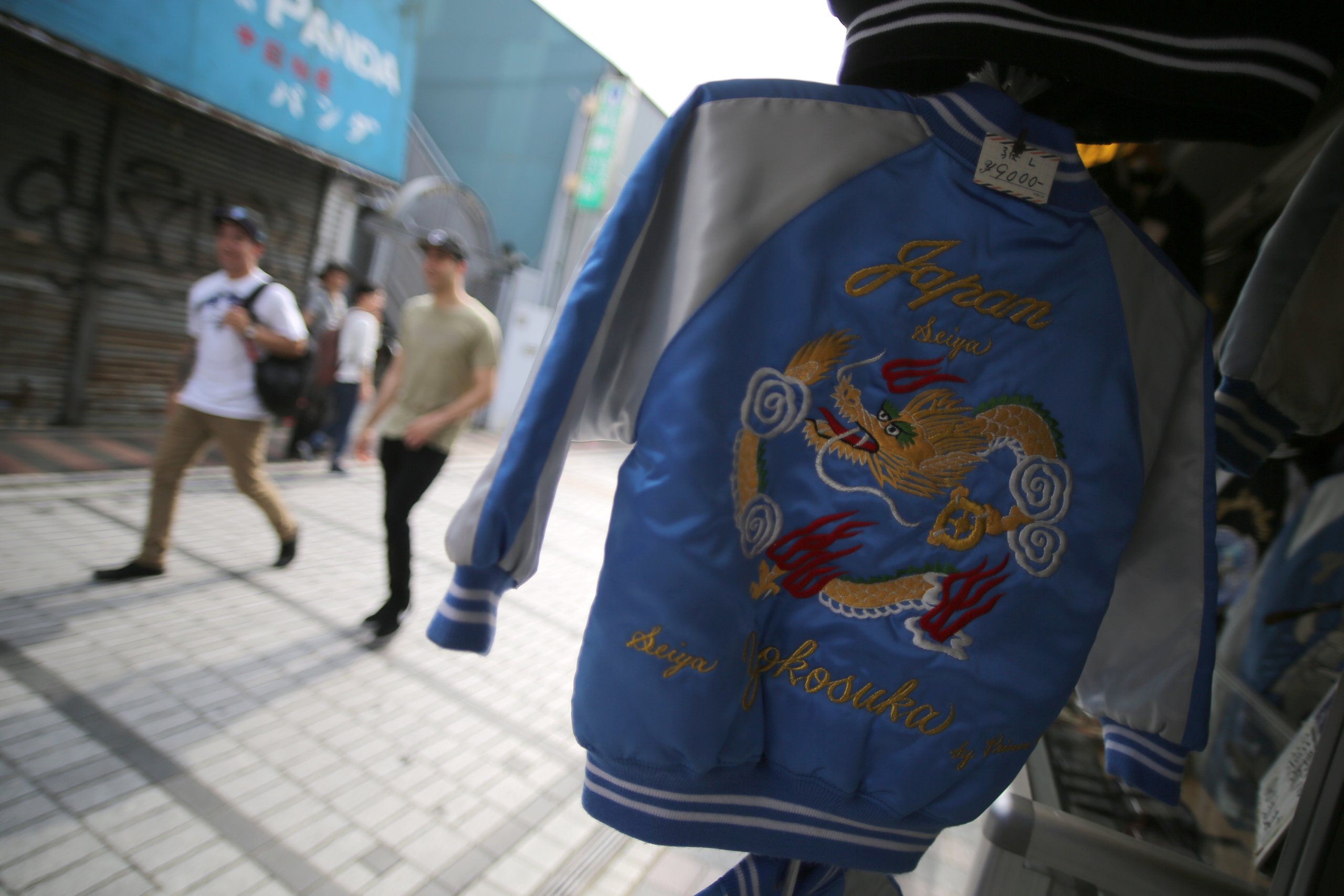
Over the decades, sukajan moved from military PX shops to Japanese youth culture and, eventually, global streetwear. Today you’ll see them in Paris, New York and Seoul — often styled in unexpectedly chic ways that contrast their loud embroidery with monochrome outfits.

3. Stadium Jacket Anatomy: What Makes a Sutajan, a Sutajan?
3.1 Thermal Wool Body and Leather Sleeves
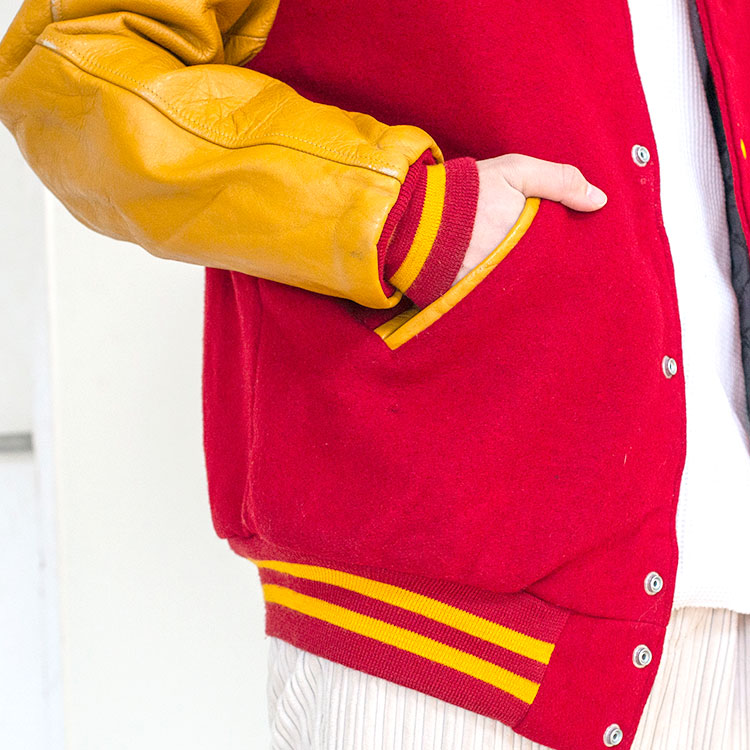
The foundational combination for sutajan is a dense wool or melton body paired with contrasting sleeves. Originally, sleeves were also wool, but leather became favored after the 1940s for durability and freedom of movement during sports. Together, they create the familiar varsity silhouette: structured, warm and ready for cold stadium nights.
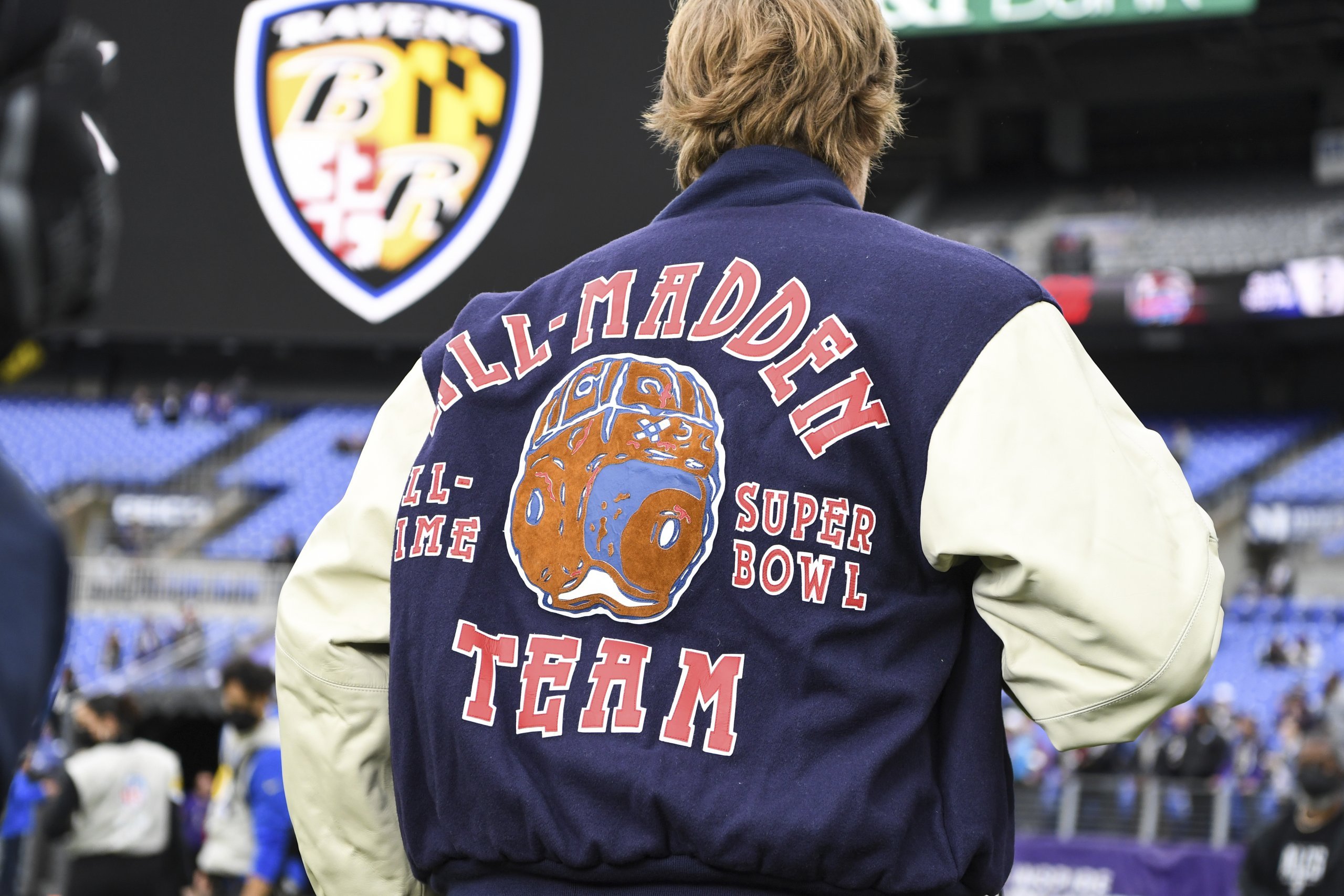


3.2 Patches, Letters and Back Embroidery
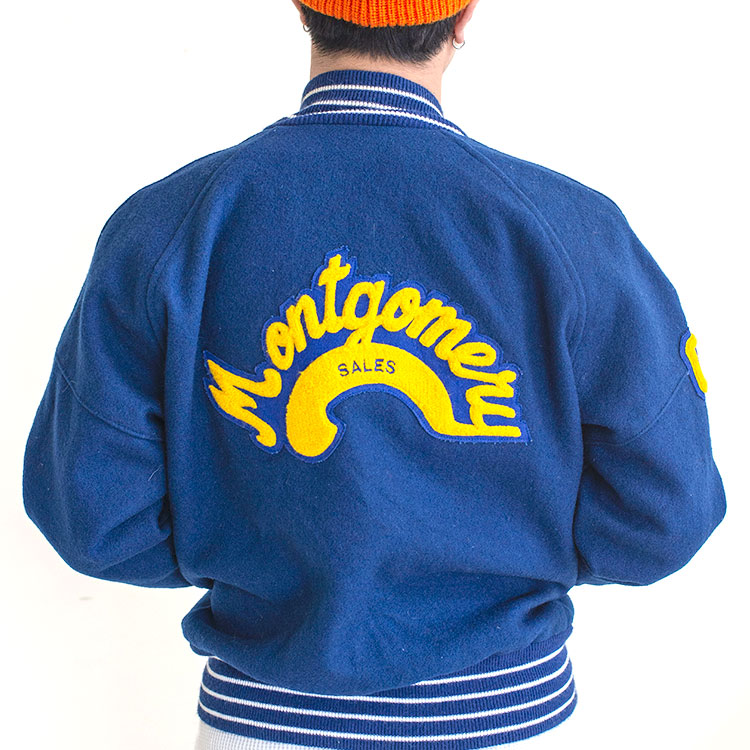
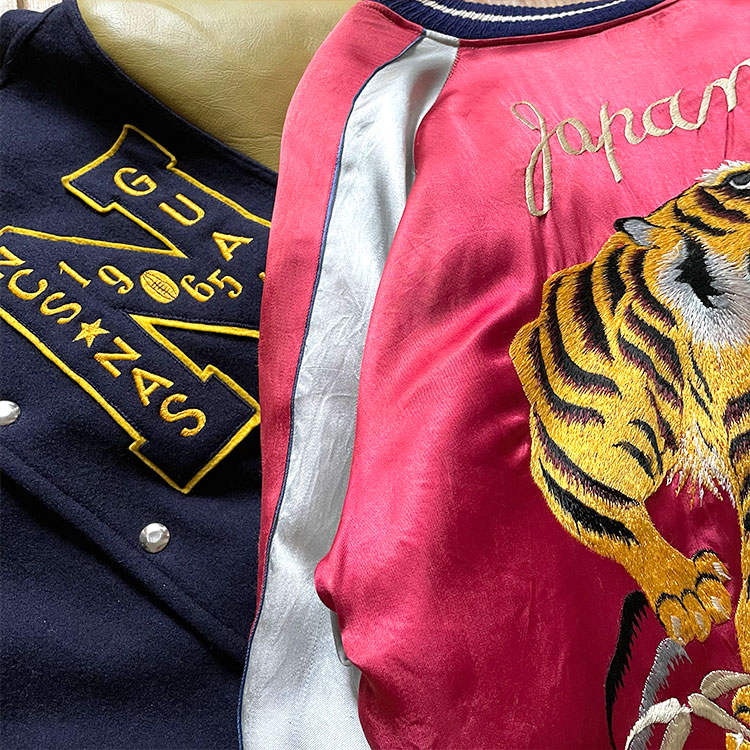
One of the key features of sutajan is the rich embroidery and patchwork. Alphabetic or numeric chenille patches appear on the left chest to show initials or team names, while the back often carries cursive logos, mascots or graduation years. Over time, these details turned sutajan into wearable trophies — physical proof that you belonged to a certain team, city or moment in history.
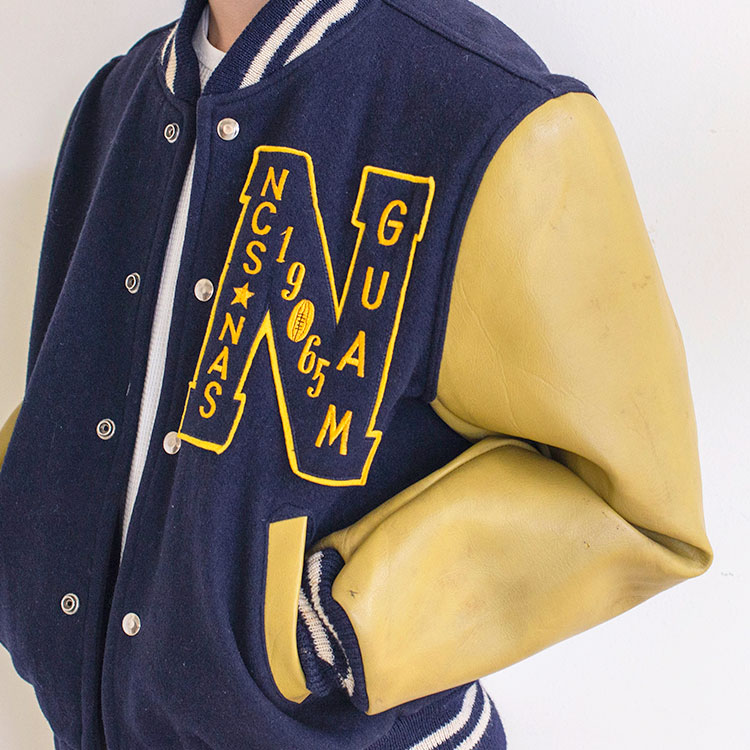
3.3 Body and Sleeve Fabric Transitions
Another characteristic of sutajan is the sharp transition where wool body meets leather sleeve. This contrast line is visually powerful and instantly signals “varsity” even from far away. Two-tone color schemes — navy and white, green and cream, black and red — amplify this graphic effect.
3.4 Ribbed Lines at Collar, Cuffs and Hem
Most sutajan feature striped ribbing at the collar, cuffs and hem. These rib knits help seal in warmth and add a sporty rhythm to the design. Some modern jackets swap the ribbed collar for a more coat-like shape, but the triple-rib layout remains one of the most recognizable details.
4. Sutajan vs Sukajan: Same Spirit, Different Worlds
Because both garments are short jackets with bold decoration, many people confuse them. But once you know what to look for, the differences are crystal clear.
4.1 Fabric and Seasonality
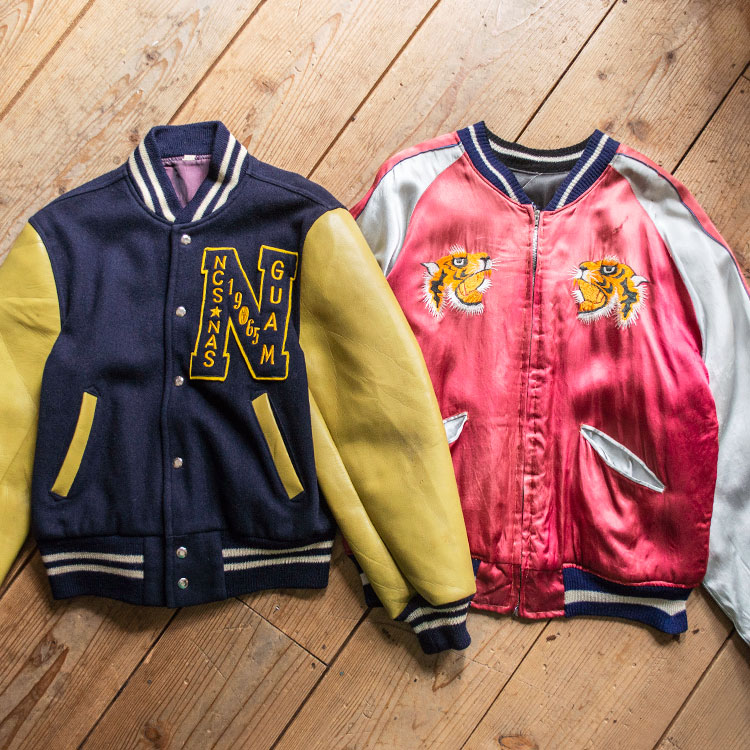
Sutajan rely on dense wool or melton for the body and leather for the sleeves, making them substantial and insulating — ideal for fall and winter. Sukajan, in contrast, are usually made from lightweight glossy fabrics like satin or acetate, sometimes even rayon blends, giving them a fluid drape that works beautifully in spring, early autumn and cool summer nights.
4.2 Motifs and Storytelling
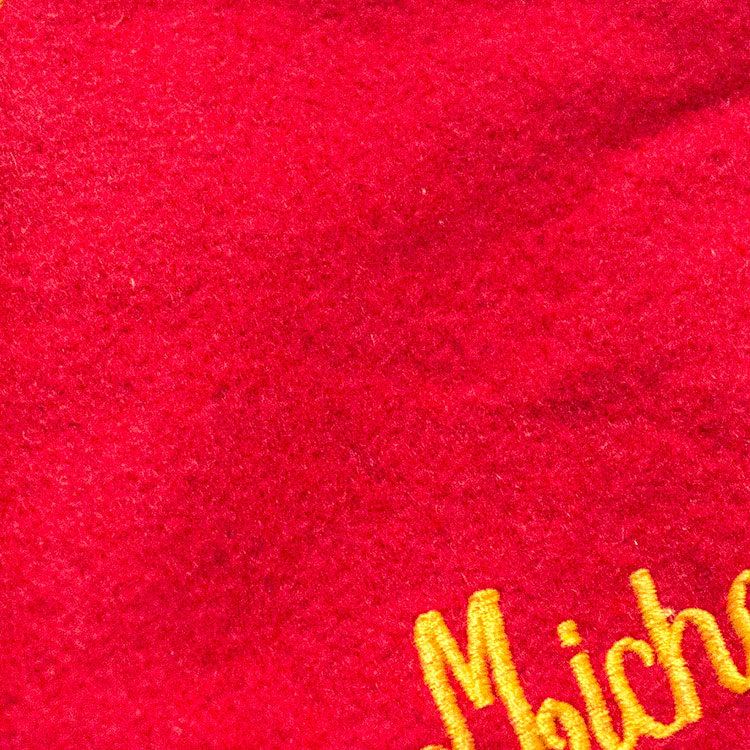
Sutajan tell stories about teams, schools and personal achievements through letters, numbers and patches. Sukajan tell stories about Japan itself: dragons, tigers, hawks, cherry blossoms, geisha, maps and mountains. One jacket celebrates the community you belong to; the other expresses how you imagine and remember Japan.
5. Sutajan vs Award Jacket / Varsity Jacket: Same Jacket, Different Name
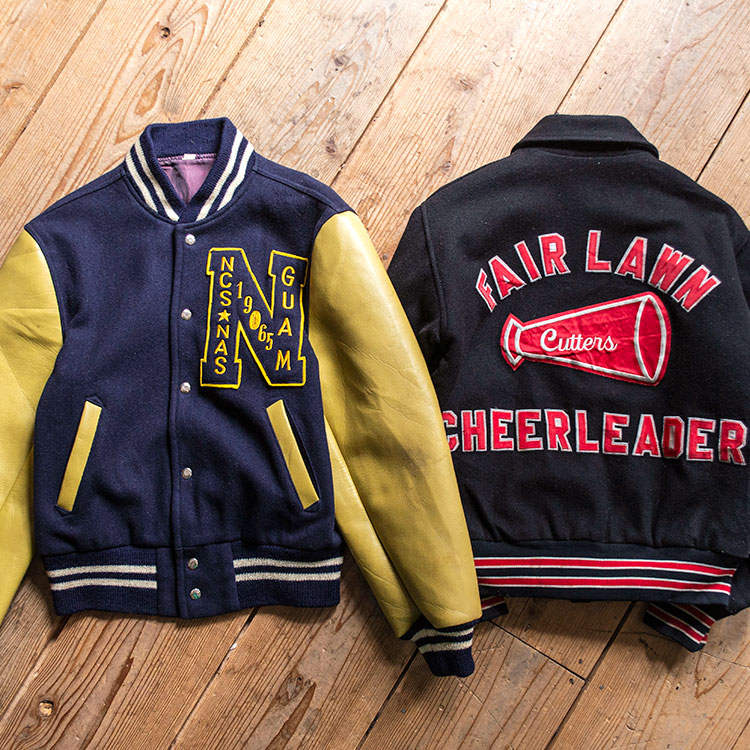
Here’s the simplest way to understand the naming:
- Sutajan / Stajan (スタジャン) – Japanese nickname derived from “stadium jumper.”
- Varsity Jacket / Letterman Jacket – Common American names used in schools and colleges.
- Award Jacket – Emphasizes the tradition of awarding these jackets to standout athletes.
Structurally they are the same family of jacket; the differences lie mostly in language and context. “Award jacket” in particular highlights the idea that each piece was historically earned, not simply purchased off the rack.
6. Styling Sutajan: Men’s, Women’s and Everyone In Between
Because sutajan sit at the intersection of sportswear and nostalgia, they are incredibly versatile. The following looks, drawn from the original reference images, can be used as styling inspiration regardless of gender identity.
6.1 Classic Men’s Sutajan Looks
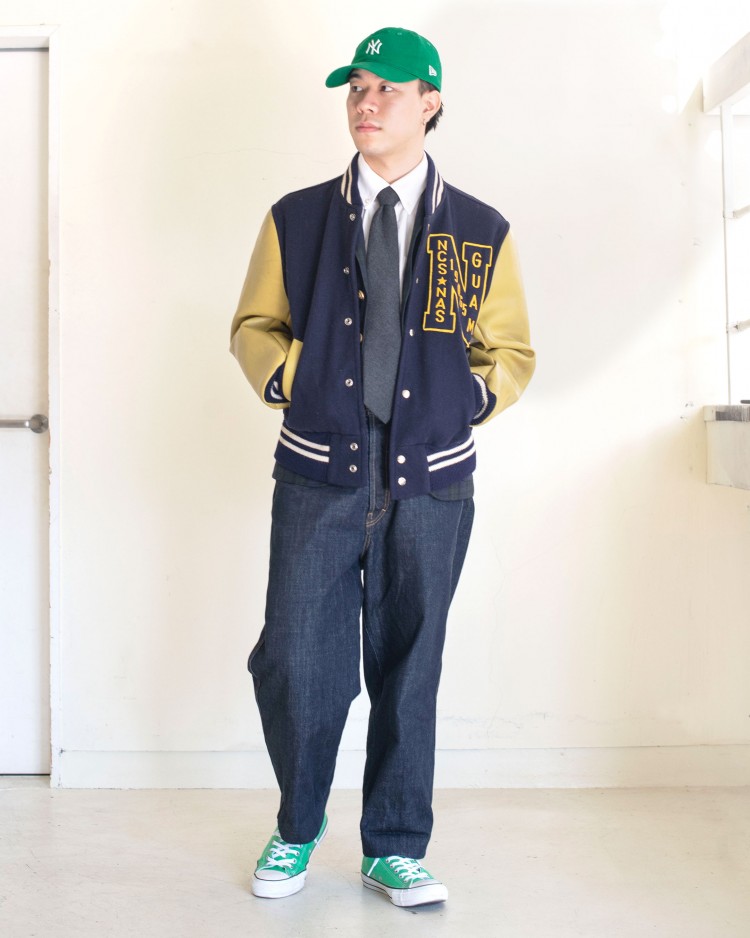
This first look is pure classic: straight denim, basic sweatshirt or tee, and clean sneakers. The jacket carries the personality through color blocking and patches, so the rest of the outfit can stay minimal.
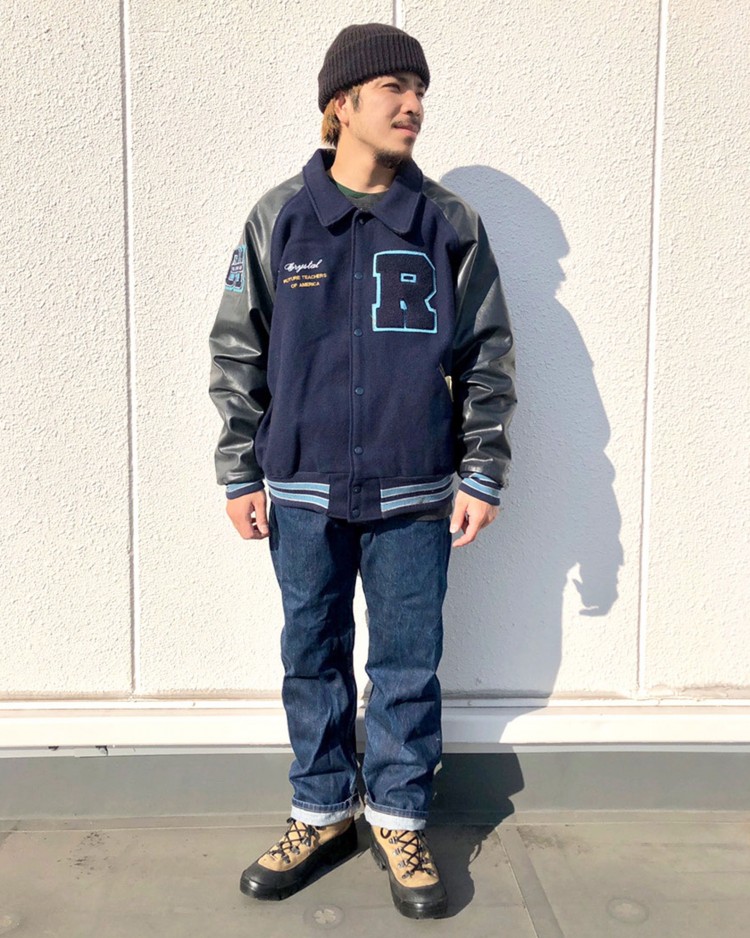
Here, the model wears an oversized men’s XL equivalent, which shifts the mood toward modern streetwear. The extra volume lets you layer hoodies or knitwear underneath and adds a deliberate slouch to the silhouette.
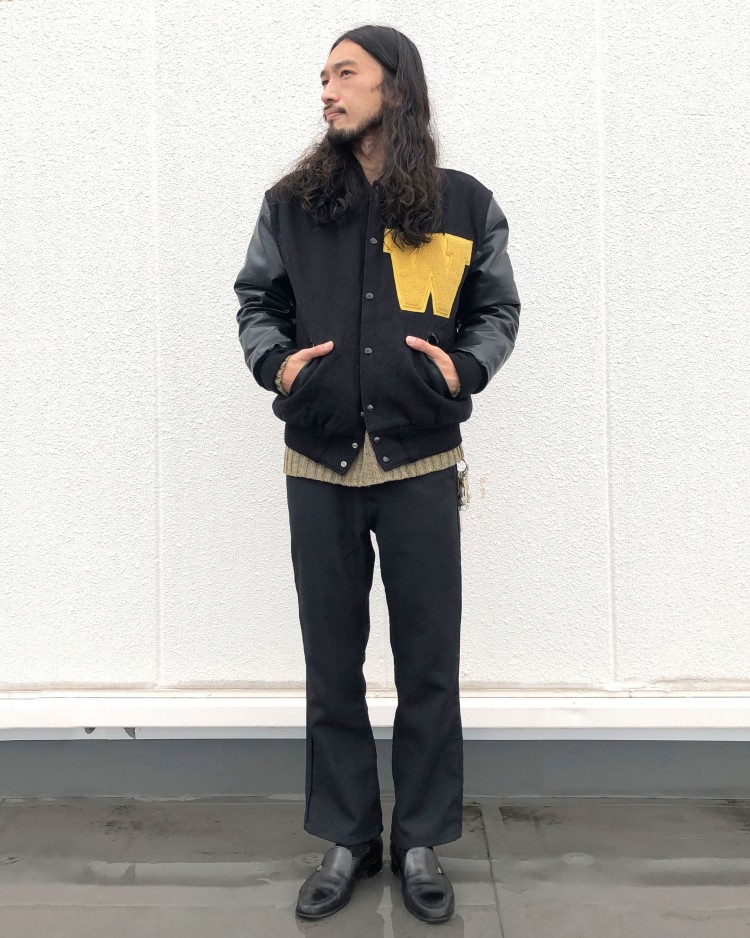
A more fitted size emphasizes the lines of the ribbing and the graphic contrast between sleeves and body. This works well with slimmer jeans or tailored trousers and is easy to dress up or down with shoes.
6.2 Sutajan for Women (and Anyone Who Likes the Look)
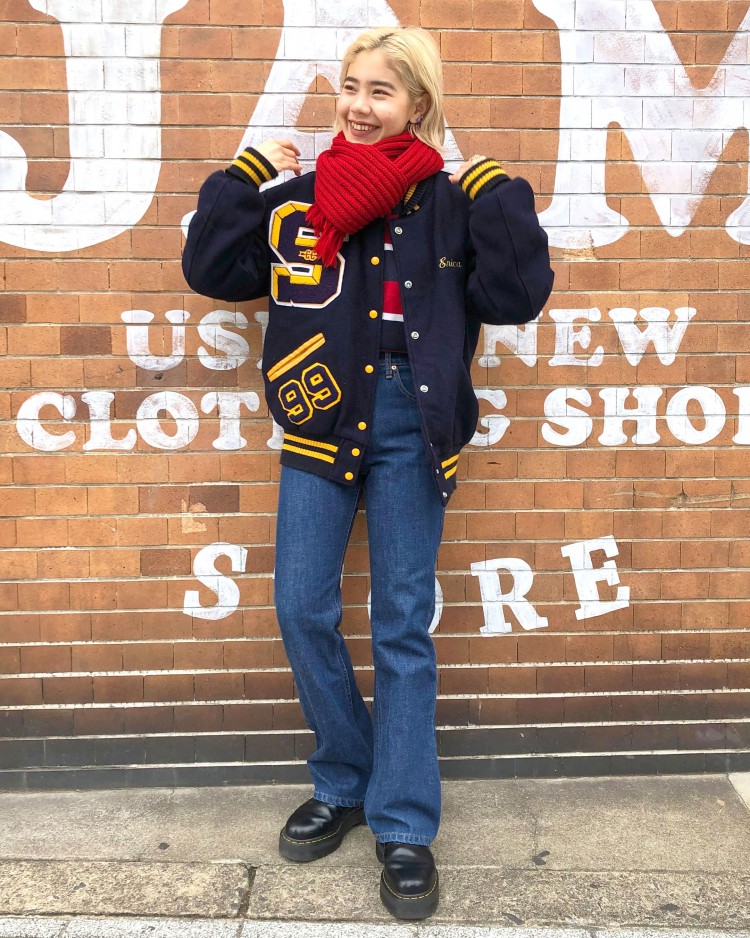
When worn by women or anyone styling in a more feminine direction, sutajan create a beautiful tension: sporty, structured outerwear layered over skirts, dresses or delicate knitwear. The result feels both nostalgic and fresh.
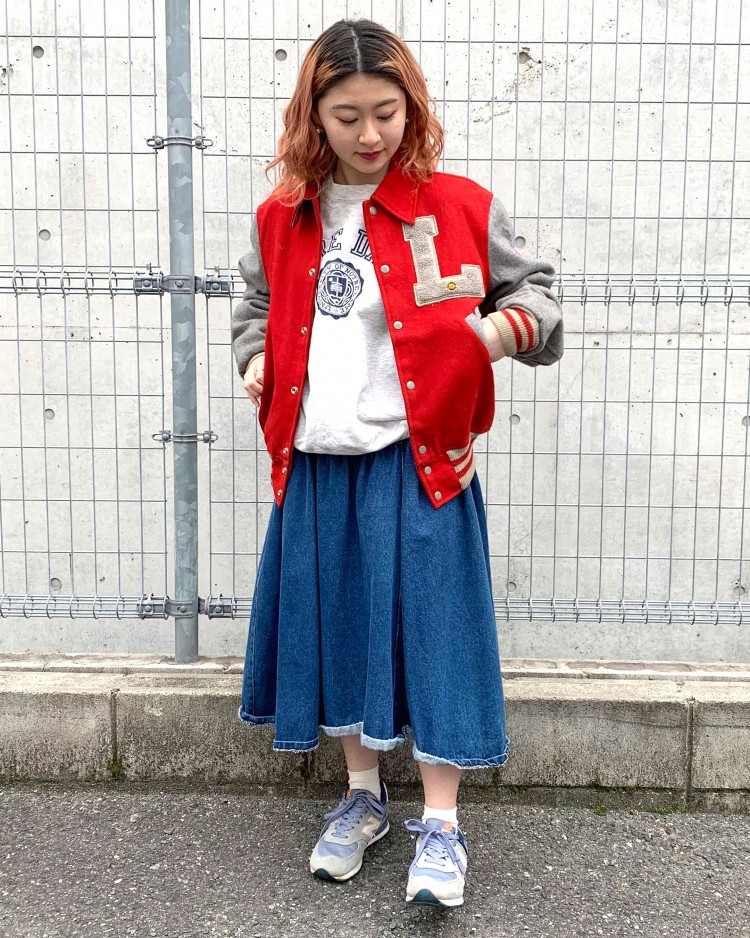
Because many sutajan are originally cut for men, they naturally become oversized on smaller frames. This can be embraced as part of the look — roll the sleeves, add chunky sneakers or boots, and lean into the “borrowed from someone” story.
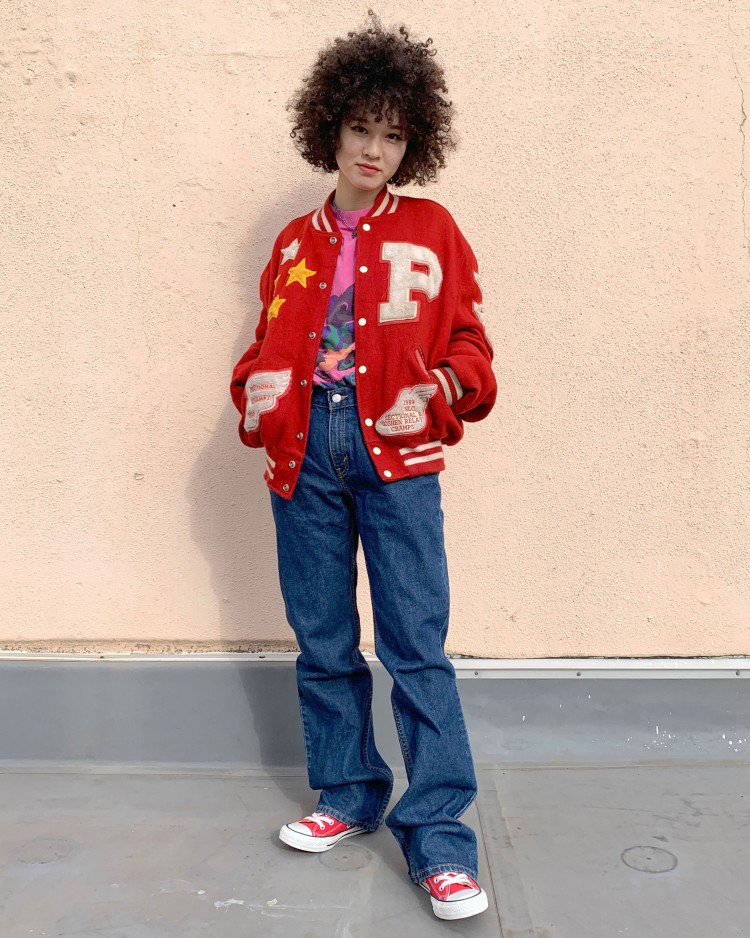
For a fully unisex take, combine sutajan with straight-leg denim, a simple knit and low-profile sneakers. It reads as casual and approachable while still carrying strong vintage character.
7. The Revival Boom: Why Sutajan and Sukajan Are Trending Again
In recent years, both sutajan and sukajan have experienced a serious revival. Vintage collectors chase original American letterman jackets and mid-century souvenir pieces, while contemporary brands reissue updated versions with luxury fabrics and refined fits.
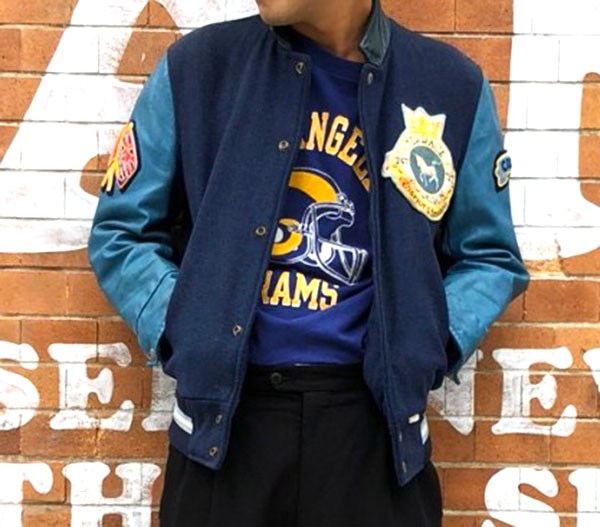
The renewed love comes from several directions. These jackets feel authentic in an era of generic fast fashion; they carry personal stories through their patches and embroidery; and they bridge American sports nostalgia with Japanese street style. They also photograph beautifully — from Tokyo backstreets to global fashion capitals — which keeps them circulating across social media and style archives.
8. From the Stadium to Japonista’s Racks
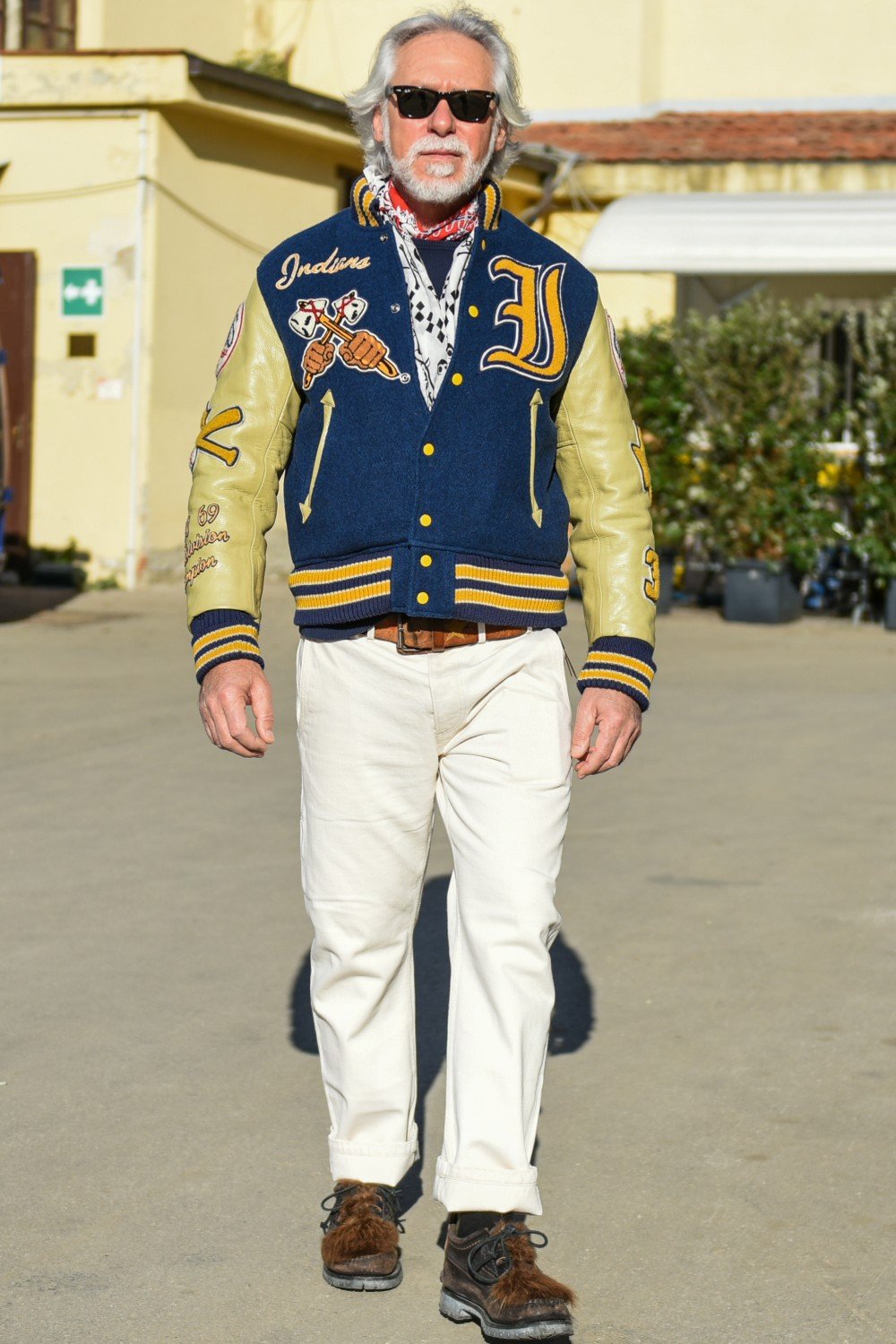
In the end, remember:
- Sutajan / stadium jacket / varsity / award jacket – same family, sports-born, wool + leather, letters and numbers.
- Sukajan – Yokosuka souvenir jacket, satin, Japanese embroidery, souvenir and streetwear icon.
Similar names, completely different stories.
At Japonista, we curate both: vintage sutajan with real campus history, and sukajan that capture Japan’s post-war and pop-culture imagination. Each piece arrives not just as clothing, but as a fragment of someone’s youth, obsession and pride — waiting to be styled into your own story.