Japonista
Northern Wei White Jade Seated Guanyin Bodhisattva with Mandorla, Inscribed c. 520 CE, 41 cm, Acrylic Case
Northern Wei White Jade Seated Guanyin Bodhisattva with Mandorla, Inscribed c. 520 CE, 41 cm, Acrylic Case
Freight piece: please confirm delivery before purchase
This piece travels in a crate or by freight rather than standard mail, and may need careful dismantling before it can be packed. The shipping shown at checkout is an estimate. Japonista reserves the right to determine the final handling, crating and freight cost when your order is received, according to the piece, the destination and carrier conditions at that time.
We advise requesting a delivery quote before checkout. If the final cost is higher than the amount paid, we send the difference for your approval before dispatch. Your piece is held for you until it is settled.
Request a delivery quoteAcquired by private invoice
Pieces of this calibre are reserved personally rather than through online checkout. Request the piece and the curator desk confirms availability, delivery and your invoice, payable by bank transfer or Wise. The piece is held for you while your transfer arrives.
Reserve this pieceAll sales are final. Please read our refund policy before purchase.
Have a reasonable price in mind? Submit your best offer and our concierge will review it personally.
A white jade devotional figure attributed by inscription and style to the Northern Wei, dated around 520 CE. Seated in contemplative stillness before a circular mandorla-like backing, this 41 cm Guanyin is a statement object rather than a cabinet miniature, accompanied by a reference book, documentation and a fitted acrylic case.
The Piece
The figure reads as a Guanyin / Kannon-type bodhisattva, an early northern Chinese articulation of compassion iconography as it moved from court Buddhism into a wider landscape of temple commissioning and scholarly attention. Its scale places it among display-grade devotional works intended to anchor a room and command viewing distance.
Carved from pale, creamy white jade with natural translucency and soft internal clouding, the surface shows age-appropriate mellowing rather than the sharp brightness of modern polishing. Drapery folds are disciplined and architectural, planes turning with deliberation rather than decorative excess, matching the Northern Wei preference for structural clarity. The face is serene and reserved, with a calm gaze and measured mouth line, formal and introspective rather than theatrical, and a substantial squared base supports the seated posture.
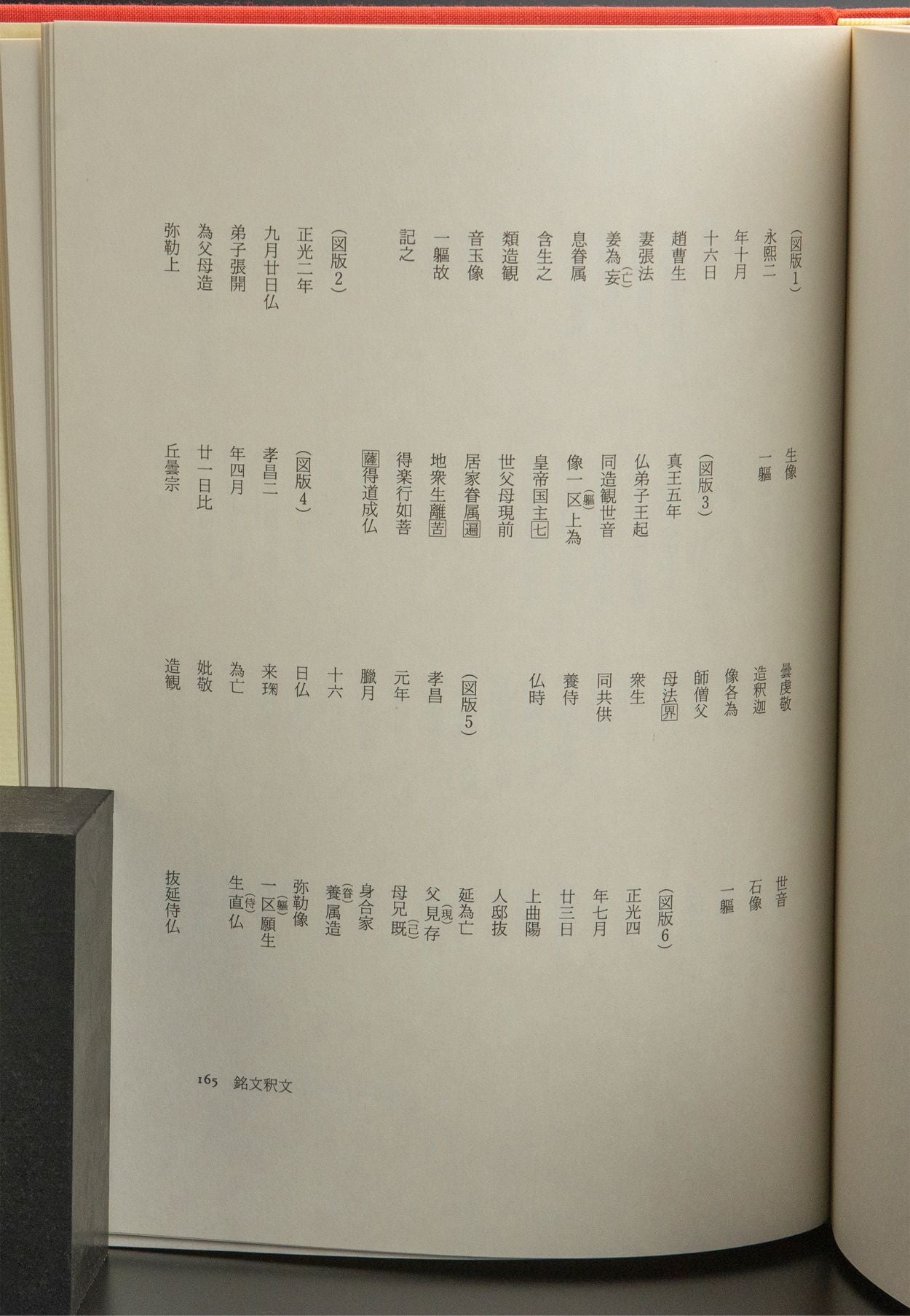
The accompanying documentation notes a dated inscription referencing 520 and identifies the work as Northern Wei. Together with the reference book and the fitted acrylic case, these inclusions place the object in the category of document-accompanied collecting.
For a private collector the work is a singular devotional anchor and a conversation piece of scholarship, its acrylic housing supporting living display in a study, listening room or contemporary interior, rewarding slow viewing in morning light and evening lamp. For an institution its value lies in legibility and teaching use: exhibition scale, a subject bridging Chinese Buddhist history and pan-East Asian reception, and a display-safe format suited to gallery narratives on Northern dynastic Buddhism, jade in religious practice or the migration of iconographic forms into Japanese collecting. It carries the kind of authority that does not shout; it simply remains.
Details
- Subject: Seated Guanyin / Kannon-type bodhisattva with circular mandorla-like backing
- Era: Attributed to the Northern Wei, dated around 520 CE per inscription and documentation
- Origin: China; found in Japan
- Material: White jade (stone)
- Measurements: H 41 cm × W 21 cm × D 14.2 cm
- Weight: Approx. 10.8 kg (object only)
- Included: Fitted acrylic display case; reference book; supplementary documentation
Condition
- Overall good condition as an art object for an antiquity-grade piece, with age presence.
- Gentle edge softness, minor surface irregularities and tonal variation consistent with age and handling; close-ups of edges, base corners and the mandorla element are in the photographs.
- The fitted acrylic case reduces display risk; careful unboxing and padded support at every stage of handling are recommended.
Comparative Scholarship
Northern Wei devotional sculpture marks a crucial hinge in Buddhist visual culture: the consolidation of Chinese court Buddhism and the emergence of monumental temple programs. Hebei, a corridor of Northern dynastic movement and temple patronage, is often discussed alongside the great cave-temple traditions. Yungang, near Datong, is known for early Northern Wei imperial commissions of powerful, frontal serenity, while Longmen, near Luoyang, develops a slightly later refinement with softer transitions, more fluent drapery rhythms and evolving facial ideals.
This figure's composed frontality and architectural fold logic resonate with Northern Wei sensibilities, while the calm, human scale of its expression invites the later Longmen atmosphere as a comparative lens: it sits credibly within the Northern Wei and early northern Chinese orbit of compassion imagery, where faith is made legible through restraint.
Recommended Verification
For museum-level certainty, a pre-acquisition assessment is recommended:
- Gemological identification of the jade type
- Microscopy and UV surface review
- High-resolution epigraphic translation and review of the inscription and papers
- Third-party appraisal letter
Packing Protocol
A heavy, display-cased stone object for which professional packing is mandatory.
- Double-box system with foam cradle, corner blocks, vibration buffer and sealed moisture barrier
- Estimated safe packaged weight: 28–35 kg (object, acrylic case, padding and outer carton)
Authenticity & Care
Dating, workshop and origin rely on the inscription and accompanying papers plus stylistic alignment with northern Chinese Buddhist sculpture; without laboratory testing, museum deaccession papers or full epigraphic publication, the attribution is well supported but not absolute. Every piece is examined and documented in Japan before dispatch and is offered with the Japonista authenticity guarantee.
Delivery from Japan
Packed by hand in Japan and shipped insured and tracked by EMS or an equivalent express service. Import duties and taxes, where applicable, are payable on arrival. Returns follow our published policy.
Considered offers are welcome through Send an Offer, and each one is reviewed personally. Pieces over $1,000 may be reserved over several payments with Layaway Privilege™.
Continue browsing: Buddhist Statues & Sacred Art · Chinese Decorative Arts
Related pieces: Monumental camphor wood Zizai Guanyin · Northern Qi style painted stone bodhisattva · Amida Nyorai triad wooden sculpture set
Temple to Home
Monumental statues, zushi shrines and altars travel crated and insured through our Museum-Grade Logistics Suite™. Seeking a particular deity or school? The Hunting Salon™ searches Japan for it. Arrange crating and freight →
Collectors also search: northern wei jade guanyin · white jade bodhisattva statue · ancient chinese jade buddha · inscribed jade guanyin · northern wei buddhist sculpture · large white jade carving · jade kannon statue