Japonista
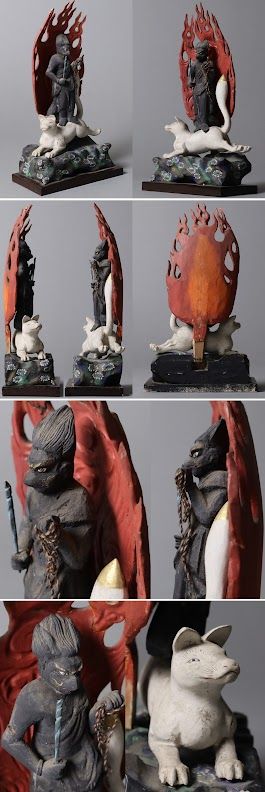
Akiba Gongen Zushi Shrine Cabinet with Polychrome Fudō Myōō, Esoteric Buddhist Guardian, Late Edo–Early Meiji
Akiba Gongen Zushi Shrine Cabinet with Polychrome Fudō Myōō, Esoteric Buddhist Guardian, Late Edo–Early Meiji
Freight piece: please confirm delivery before purchase
This piece travels in a crate or by freight rather than standard mail, and may need careful dismantling before it can be packed. The shipping shown at checkout is an estimate. Japonista reserves the right to determine the final handling, crating and freight cost when your order is received, according to the piece, the destination and carrier conditions at that time.
We advise requesting a delivery quote before checkout. If the final cost is higher than the amount paid, we send the difference for your approval before dispatch. Your piece is held for you until it is settled.
Request a delivery quoteCouldn't load pickup availability
All sales are final. Please read our refund policy before purchase.
Have a reasonable price in mind? Submit your best offer and our concierge will review it personally.
Fudō Myōō, the immovable wisdom king, sits wrathful before his flame mandorla inside a double-doored wooden zushi tied to the Akiba Gongen cult of fire protection. Made for private household worship, it is devotional architecture in miniature, with honest age and an interior darkened by incense.
The Piece
This carved wood zushi houses a wrathful Fudō Myōō associated with the Akiba Gongen tradition, historically tied to fire prevention, mountain asceticism and the esoteric synthesis of Shugendō and Shingon. The flame mandorla and sword posture place it firmly within esoteric iconography, and the shrine format signals private household worship rather than temple scale. More than a statue, it is a portable axis between fire and devotion.
Fudō Myōō is the immovable wisdom king. The sword in his right hand cuts through delusion, the rope in his left binds ignorance, and the flames represent purifying wisdom. His wrathful face is not rage but disciplined compassion, and the association with Akiba Gongen strengthens the fire-protective lineage: Akiba shrines were invoked against conflagration in Japan's wooden cities.
Gongen syncretism blended Shinto kami with Buddhist deities, and Akiba Gongen became closely linked with fire protection and mountain worship. Late Edo households frequently kept such shrines for daily offerings, and portable cabinets allowed domestic ritual continuity, protection for merchant households and spiritual safeguarding for artisan guilds. The piece reflects the meeting point of urban anxiety and esoteric reassurance.
The cabinet is carved wood with hinged double doors opening onto an interior devotional chamber. Within, the polychrome carved figure is seated before an applied flame halo, its layered pigment surface heightened with gilded detailing. Shrine architecture and guardian sculpture are joined in a single devotional object.
Details
- Era: Late Edo to early Meiji, dated by style
- Origin: Japan
- Material: Carved wood shrine housing; polychrome carved wood figure; applied pigment and gilded detailing
- Measurements: Shrine cabinet H 39 cm × W 24 cm × D 20.7 cm · Figure H 24.5 cm × W 14.6 cm × D 6.7 cm (approx.)
- Type: Gongen-zushi shrine cabinet with Fudō Myōō (Akiba lineage)
- Deity: Fudō Myōō (Acala), wrathful guardian of esoteric Buddhism
- Associated Cult: Akiba Gongen syncretic fire-deity tradition
- Configuration: Zushi cabinet with double doors enclosing a seated wrathful figure before a flame mandorla
Condition
- Honest age throughout: surface fatigue, micro cracks and pigment wear, with no artificial antiquing.
- Cabinet interior darkened from devotional use, likely from proximity to incense.
Authenticity & Care
Iconography (sword, rope, flame mandorla) and construction are consistent with an Akiba Gongen household shrine; the late Edo to early Meiji range is attributed by style. Every piece is examined and documented in Japan before dispatch and is offered with the Japonista authenticity guarantee.
Delivery from Japan
Packed by hand in Japan and shipped insured and tracked by EMS or an equivalent express service. Import duties and taxes, where applicable, are payable on arrival. Returns follow our published policy.
Considered offers are welcome through Send an Offer, and each one is reviewed personally. Pieces over $1,000 may be reserved over several payments with Layaway Privilege™.
Continue browsing: Butsudan & Altars · Buddhist Statues & Sacred Art
Related pieces: Senju Kannon in portable zushi shrine · Nishimura Harusei Bizen leaping shishi koro · K24 gold miniature seated Buddha in zushi
Temple to Home
Monumental statues, zushi shrines and altars travel crated and insured through our Museum-Grade Logistics Suite™. Seeking a particular deity or school? The Hunting Salon™ searches Japan for it. Arrange crating and freight →
Collectors also search: fudo myoo zushi · akiba gongen shrine · japanese portable buddhist shrine · edo period zushi · fudo myoo statue antique · esoteric buddhist shrine cabinet · japanese household altar antique