
HALLUX VALGUS PREVENTION MODULE
Structural Alignment, Mechanical Forces & Footwear Influence
1. What Is Hallux Valgus?


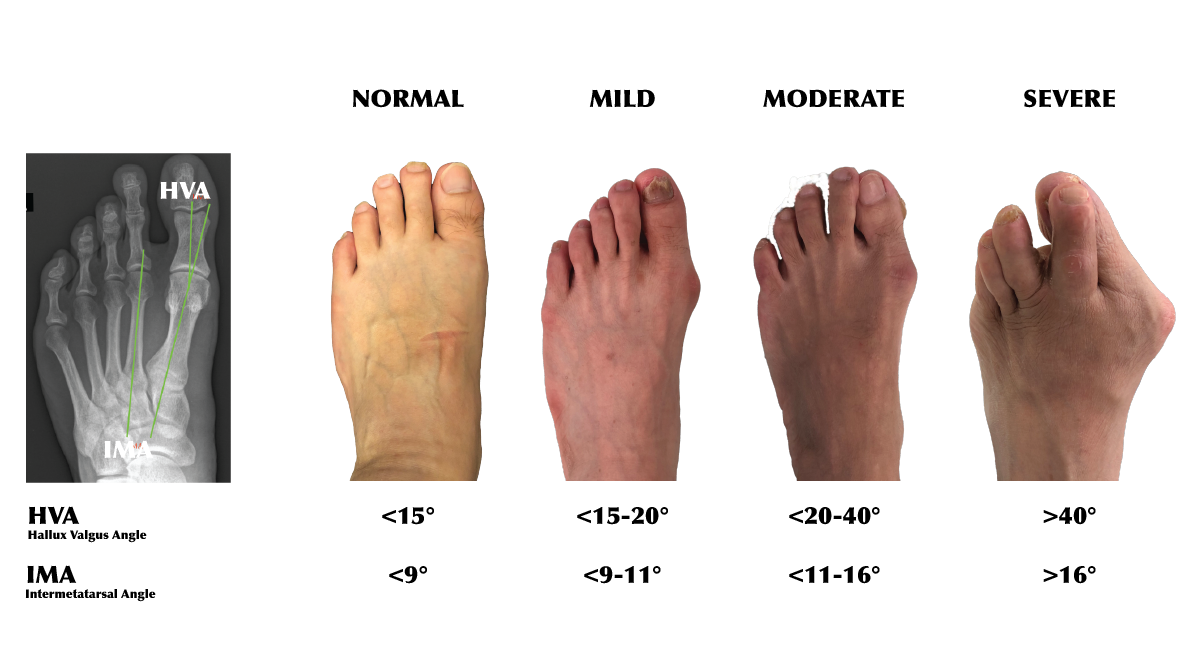
Hallux valgus is a progressive structural deformity characterized by:
• Lateral deviation of the hallux (big toe)
• Medial displacement of the first metatarsal
• Prominence of the first metatarsal head (bunion)
• Altered joint biomechanics
It is not merely cosmetic. It affects gait mechanics, weight transfer, and joint loading patterns.
2. Biomechanical Mechanics of Deviation
In a structurally neutral foot:
• The hallux aligns parallel to the second toe
• The first metatarsal head bears load symmetrically
• The windlass mechanism functions efficiently
In hallux valgus:
• The hallux drifts laterally
• The first metatarsal shifts medially
• Tendon vectors become unbalanced
• Joint capsule strain increases
This deviation alters propulsion and may contribute to secondary conditions such as:
• Metatarsalgia
• Hammertoes
• Altered knee alignment
3. Contributing Risk Factors
Hallux valgus is multifactorial. Contributing variables include:
Intrinsic Factors
• Genetic predisposition
• Ligament laxity
• First-ray hypermobility
• Flat foot biomechanics
Extrinsic Factors
• Narrow toe box footwear
• Chronic medial compression
• Elevated heels increasing forefoot load
• Long-term constrictive shoe exposure
Footwear does not create all cases, but it can exacerbate progression.
4. The Role of Toe Box Compression

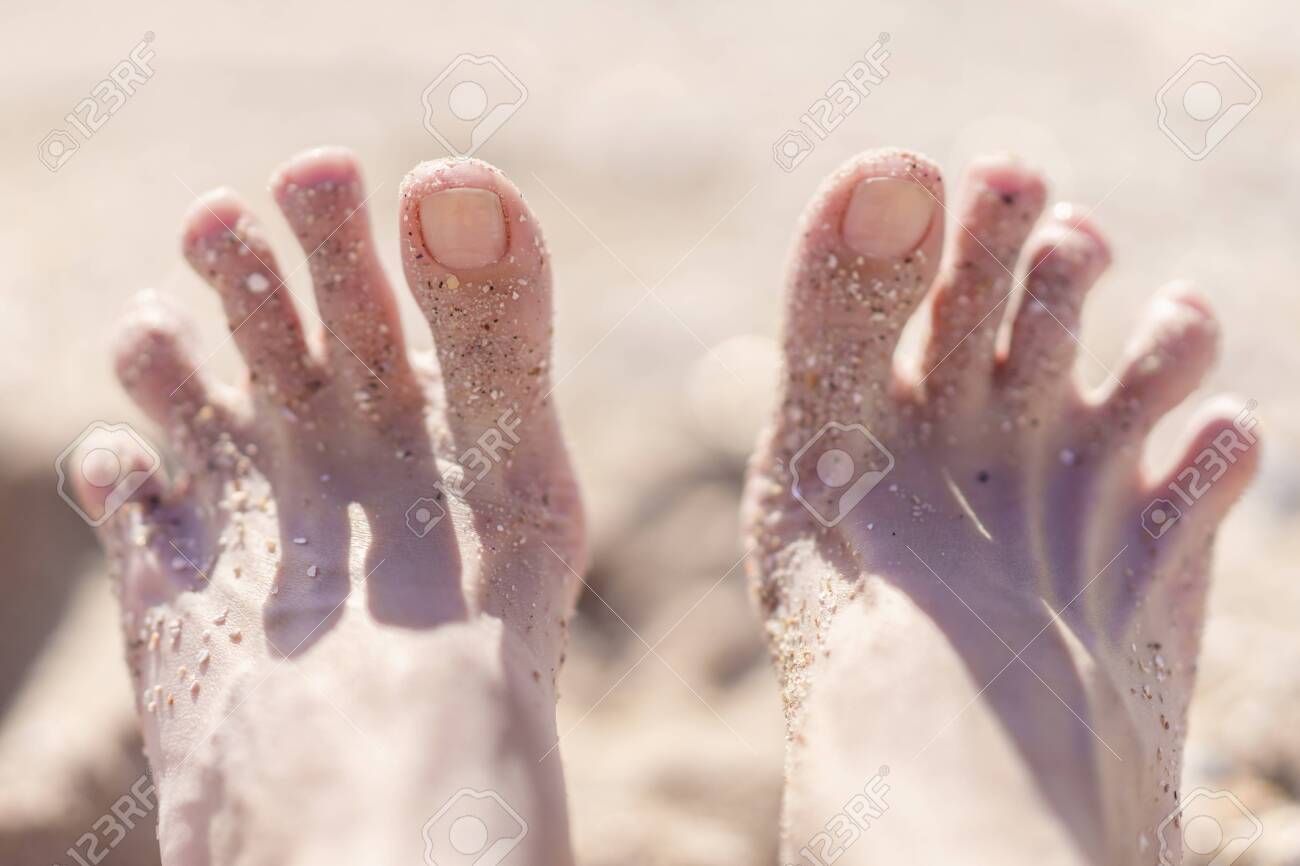
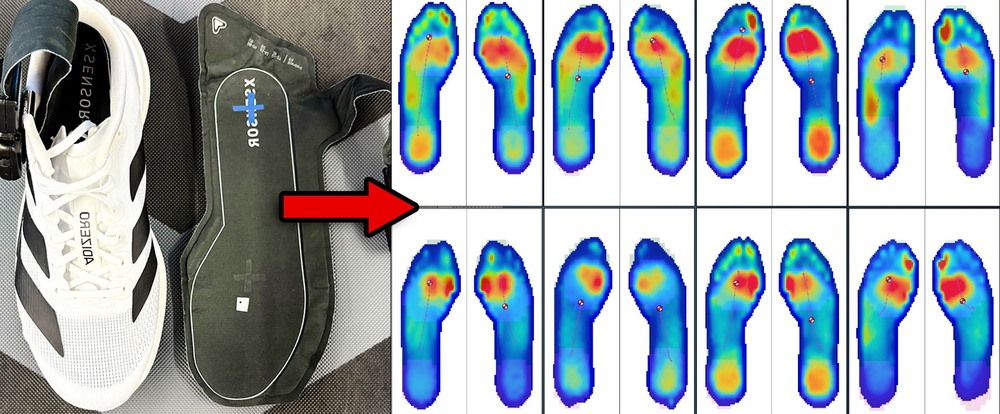
When the forefoot is tapered:
• The hallux is pushed toward the second toe
• Medial joint stress increases
• Soft tissues adapt to confined positioning
• First metatarsal drift may accelerate
Chronic medial convergence pressure reinforces lateral deviation forces.
Split-toe or anatomically permissive footwear eliminates medial compression between the hallux and adjacent digits.
This removes one mechanical stressor.
5. Preventative Structural Principles
Prevention focuses on reducing contributory mechanical forces.
A. Maintain Hallux Alignment
Footwear should allow the big toe to remain straight rather than angled inward.
B. Preserve Toe Splay
Adequate transverse forefoot width allows natural load distribution.
C. Limit Excessive Heel Elevation
High heels shift body weight anteriorly, increasing forefoot pressure.
D. Encourage Intrinsic Muscle Engagement
Strengthening the intrinsic foot muscles improves structural support of the first ray.
6. Split-Toe Architecture & Preventive Logic


Split-toe footwear addresses one specific extrinsic factor:
Medial toe compression.
By separating the hallux:
• It removes lateral pressure from adjacent digits
• It reduces forced angulation
• It permits straight alignment
This does not reverse established deformity.
It may reduce progressive mechanical reinforcement.
It is a preventive alignment strategy, not a corrective device.
7. Strength & Mobility Protocol Addendum
Prevention is incomplete without muscular conditioning.
Evidence-informed exercises include:
• Short foot exercise (intrinsic activation)
• Toe spreading drills
• Hallux extension mobility work
• Calf flexibility training
• Balance drills on flat, stable surfaces
Strengthening improves active stabilization of the first ray.
Footwear alone cannot provide structural correction.
8. Clinical Research Context
Relevant research themes include:
• Footwear characteristics and hallux valgus correlation (Nix et al., Journal of Foot and Ankle Research)
• Biomechanical implications of toe box shape
• Intrinsic muscle strengthening in minimalist footwear transitions
• Windlass mechanism efficiency studies
These studies evaluate biomechanical variables, not split-toe footwear directly.
However, the structural logic aligns.
9. Early Warning Indicators
Preventive intervention is most effective before structural rigidity develops.
Watch for:
• Mild hallux angulation
• Redness at the first metatarsal head
• Forefoot discomfort in narrow shoes
• Progressive toe crowding
Early modification of footwear habits may reduce progression speed.
10. When Medical Evaluation Is Necessary
Consult a podiatrist or orthopedic specialist if:
• Pain becomes persistent
• Deviation visibly progresses
• Mobility decreases
• Secondary toe deformities appear
Severe cases may require orthotics or surgical consultation.
Footwear is part of a broader management strategy.
STRUCTURAL SUMMARY
Hallux valgus progression involves:
Biomechanical forces + genetic predisposition + footwear exposure.
Preventive logic emphasizes:
• Neutral alignment
• Reduced medial compression
• Adequate toe space
• Intrinsic muscle engagement
Split-toe architecture eliminates one mechanical stressor: forced convergence of the hallux.
It does not cure.
It does not reverse.
It removes pressure.
Prevention in structural biology often means reducing repetitive stress, not redesigning anatomy.
Continue the Structural Conversation
Understanding hallux alignment is only the first step.
The next is removing unnecessary mechanical compression from daily footwear.
If you are exploring structurally permissive design principles in practice, you may review our split-toe footwear study models below:
• LAFEET ANY SL09 Jika Tabi Comfort Sneaker — A contemporary interpretation of hallux separation with flexible sole construction.
→ https://japonista.com/products/lafeet-any-sl09-jika-tabi-comfort-sneaker
• Tabi Shoes & Japanese Footwear Archive — A curated collection of split-toe and anatomically permissive designs.
→ https://japonista.com/collections/tabi-shoes-japanese-footwear
This is not corrective medicine.
It is architectural permissiveness applied to daily movement.