

The Rise of Japanese Independent Horology
Why the World’s Most Fascinating Mechanical Watches Are Emerging from Japan
For most of the modern era, collectors searching for the finest mechanical watches instinctively turned their attention toward Switzerland. The traditional centers of watchmaking such as Geneva, La Chaux-de-Fonds, and the Vallée de Joux built reputations spanning centuries. Their maisons created an entire mythology around horology: heritage, craftsmanship, mechanical innovation, and luxury.
Yet quietly, far from the Alps and the traditional watchmaking schools of Europe, another movement has been developing.
Inside small workshops scattered across Tokyo, Kyoto, and regional Japan, a handful of designers, engineers, and obsessive mechanical thinkers have been reinventing the wristwatch. Some of them are trained watchmakers. Others began as industrial designers or engineers who became fascinated with timekeeping machines.
Together they form what collectors now call Japanese Independent Horology.
This emerging ecosystem of small ateliers and experimental watchmakers has begun to capture global attention. Their watches are rare, unusual, and often unlike anything produced by the traditional luxury houses.
For collectors searching for originality rather than brand prestige alone, Japanese independent watchmaking represents one of the most exciting developments in modern horology.
The Historical Foundations of Japanese Watchmaking
To understand why Japanese independent watchmaking is gaining momentum today, it helps to examine the historical context of Japan’s relationship with mechanical timekeeping.
Japan’s earliest clocks were introduced during the 16th century through contact with European traders and missionaries. These early devices fascinated Japanese craftsmen, who soon began adapting the technology to suit local cultural practices.
During the Edo period, Japan developed its own unique timekeeping system known as temporal hours. Instead of dividing the day into equal units, daylight and nighttime hours were divided into six segments each. Because the length of daylight changes with the seasons, the duration of each hour also changed.
This system required highly unusual clock mechanisms that could adjust automatically as the seasons progressed. Japanese clockmakers developed ingenious solutions involving adjustable dials, movable markers, and complex mechanical regulators.
Although the country later adopted Western timekeeping systems during the Meiji era, this early period of experimentation left an enduring mark on Japanese craftsmanship: a willingness to rethink time itself.
Centuries later, this spirit of experimentation would reappear in modern Japanese independent watchmaking.
Japan’s Industrial Watchmaking Revolution
In the 20th century, Japan’s watch industry took a dramatically different path from Europe.
Companies such as Seiko, Citizen, and Orient Watch focused on engineering precision, manufacturing efficiency, and technological innovation.
Their greatest breakthrough arrived in 1969 when Seiko released the Astron, the world’s first commercially available quartz wristwatch. Quartz technology dramatically increased timekeeping accuracy while reducing manufacturing costs.
The result was the famous Quartz Crisis, a period during which many traditional Swiss mechanical watchmakers struggled to compete.
Ironically, the same technological revolution that disrupted mechanical watchmaking eventually helped inspire a renewed appreciation for traditional craftsmanship.
By the late 20th century, collectors began rediscovering mechanical watches not as practical tools but as miniature works of mechanical art.
This cultural shift created space for a new generation of watchmakers.
The Emergence of Japanese Independent Watchmakers
Unlike Switzerland, where independent watchmaking evolved within a large industrial ecosystem, Japanese independent watchmaking developed in a more decentralized way.
Many Japanese watchmakers entered the field through unusual pathways:
• industrial design
• precision machining
• engineering
• restoration of antique clocks
• mechanical experimentation
Without the weight of centuries of tradition, these watchmakers were free to explore unconventional ideas.
Some focused on recreating historical Japanese timekeeping systems. Others experimented with radical dial layouts, unusual mechanical displays, and architectural case construction.
The result was a wave of watchmakers whose work feels both deeply technical and artistically expressive.
The Master Watchmakers
At the top of this movement are several individuals whose work has earned global recognition.
Hajime Asaoka
Hajime Asaoka is widely considered the most accomplished independent watchmaker in Japan.

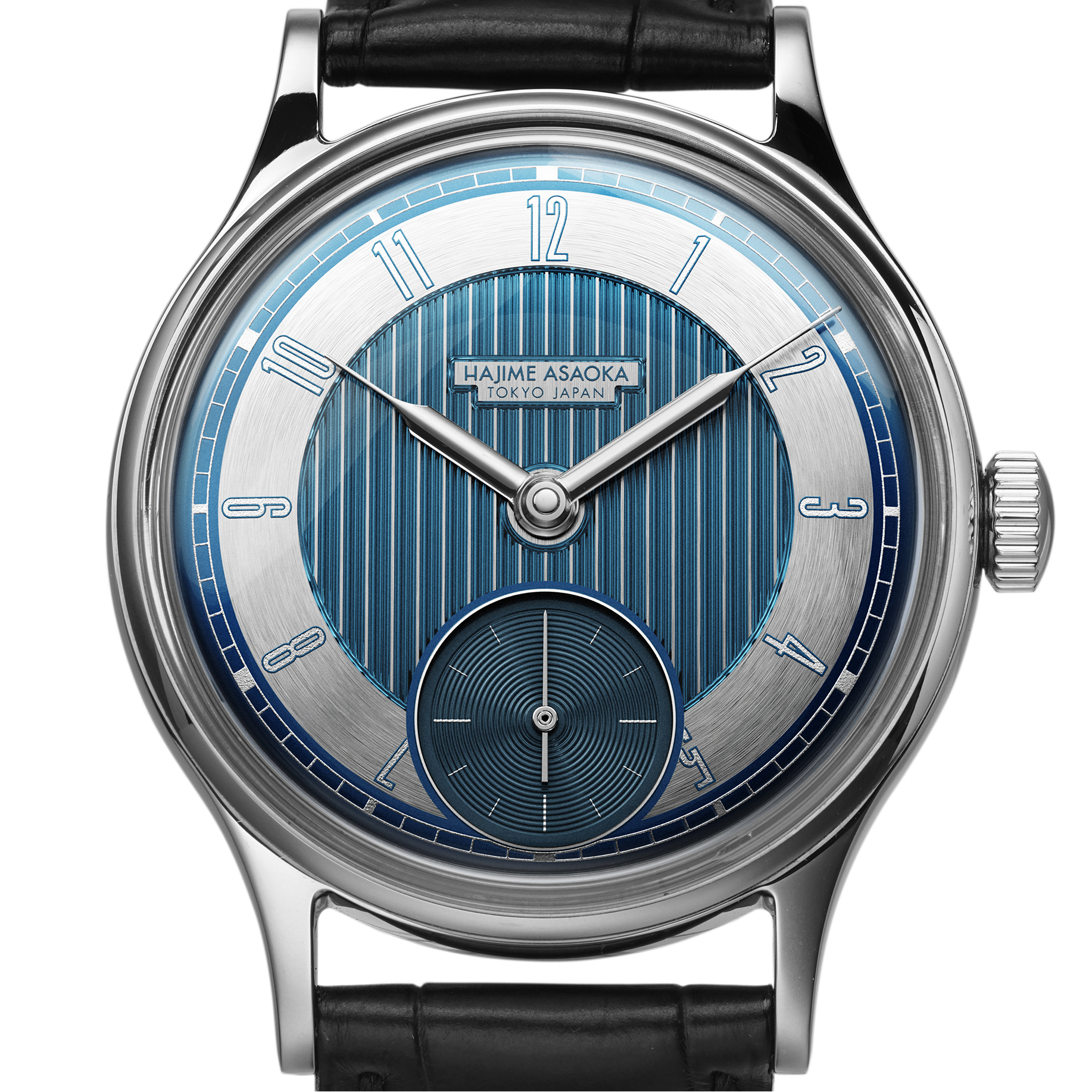

Working from a small atelier in Tokyo, Asaoka produces watches featuring entirely in-house mechanical movements. His watches are handcrafted in extremely limited quantities and often involve years of development.
Collectors admire his work for its balance between classical Swiss watchmaking traditions and distinctly Japanese aesthetic restraint.
Many of his watches feature elegant dial typography, meticulous finishing, and mechanical sophistication comparable to the world’s most respected independent watchmakers.
Arguably the most respected independent watchmaker in Japan.
Known for:
• fully in-house movements
• extremely low production
• handmade cases and parts
• tourbillons and haute complications
His watches often sell $40k–$150k+ and are compared with the Swiss independents like Dufour or Voutilainen.
Masahiro Kikuno
Masahiro Kikuno’s path into watchmaking was unconventional.
Unlike many watchmakers who train within established watch companies or Swiss schools, Kikuno largely developed his skills through independent study and apprenticeship within Japan.
He gained early recognition through the AHCI (Académie Horlogère des Créateurs Indépendants), an organization that represents some of the world’s most respected independent watchmakers.
This recognition placed Kikuno among a small group of artisans whose work is considered part of the global independent watchmaking movement.
However, Kikuno’s work differs dramatically from the Swiss tradition typically associated with independent horology.
His inspiration comes from Japan’s own historical relationship with time.

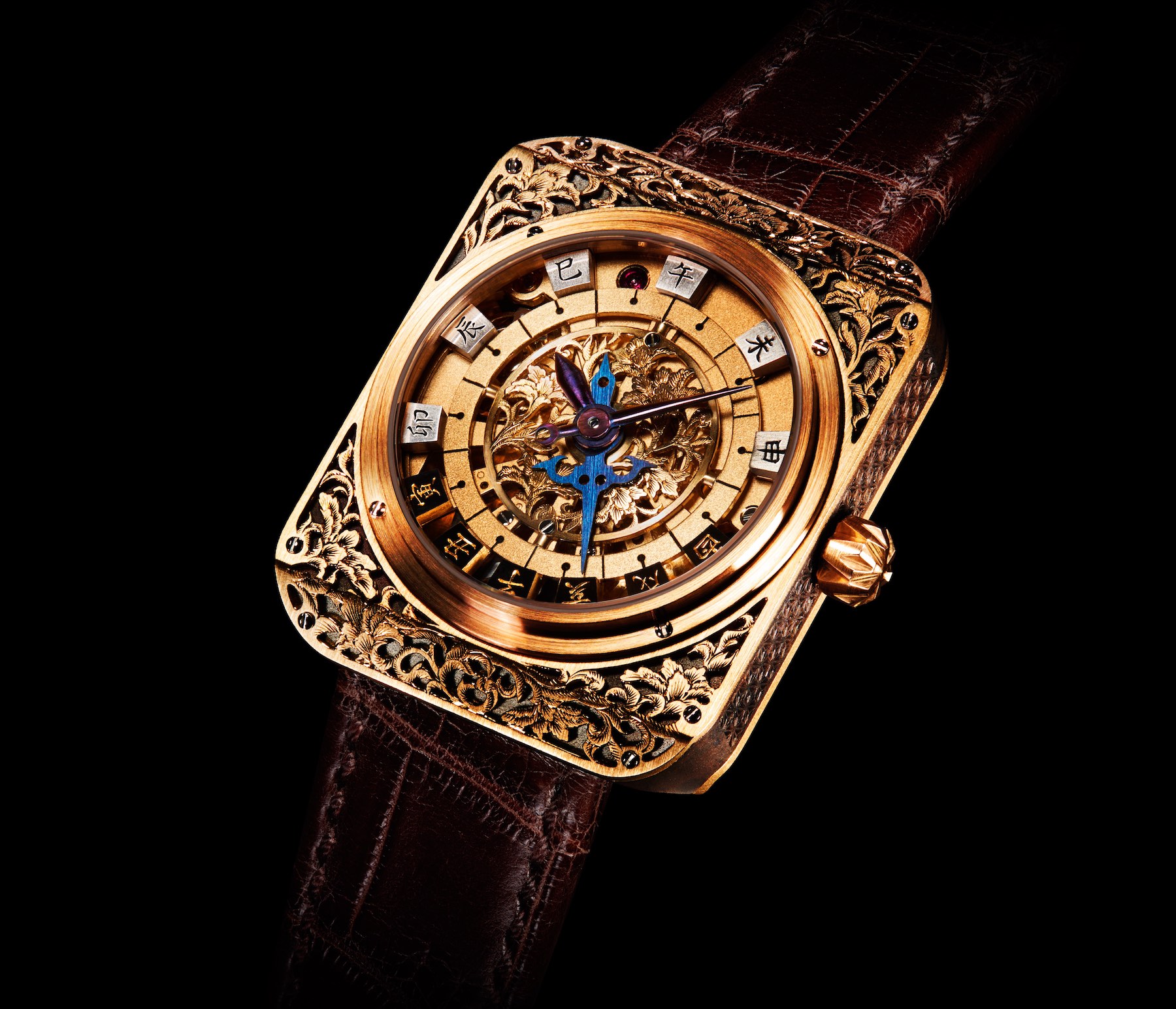

One of the most intellectually fascinating watchmakers.
Known for:
• recreating Edo-period Japanese clocks
• “temporal hour” systems
• handmade movements
His watches are almost museum objects.
The New Generation of Japanese Independent Brands
Below these master watchmakers, a new generation of independent ateliers is attracting growing international attention.
Naoya Hida
Naoya Hida watches embody a philosophy of quiet elegance.


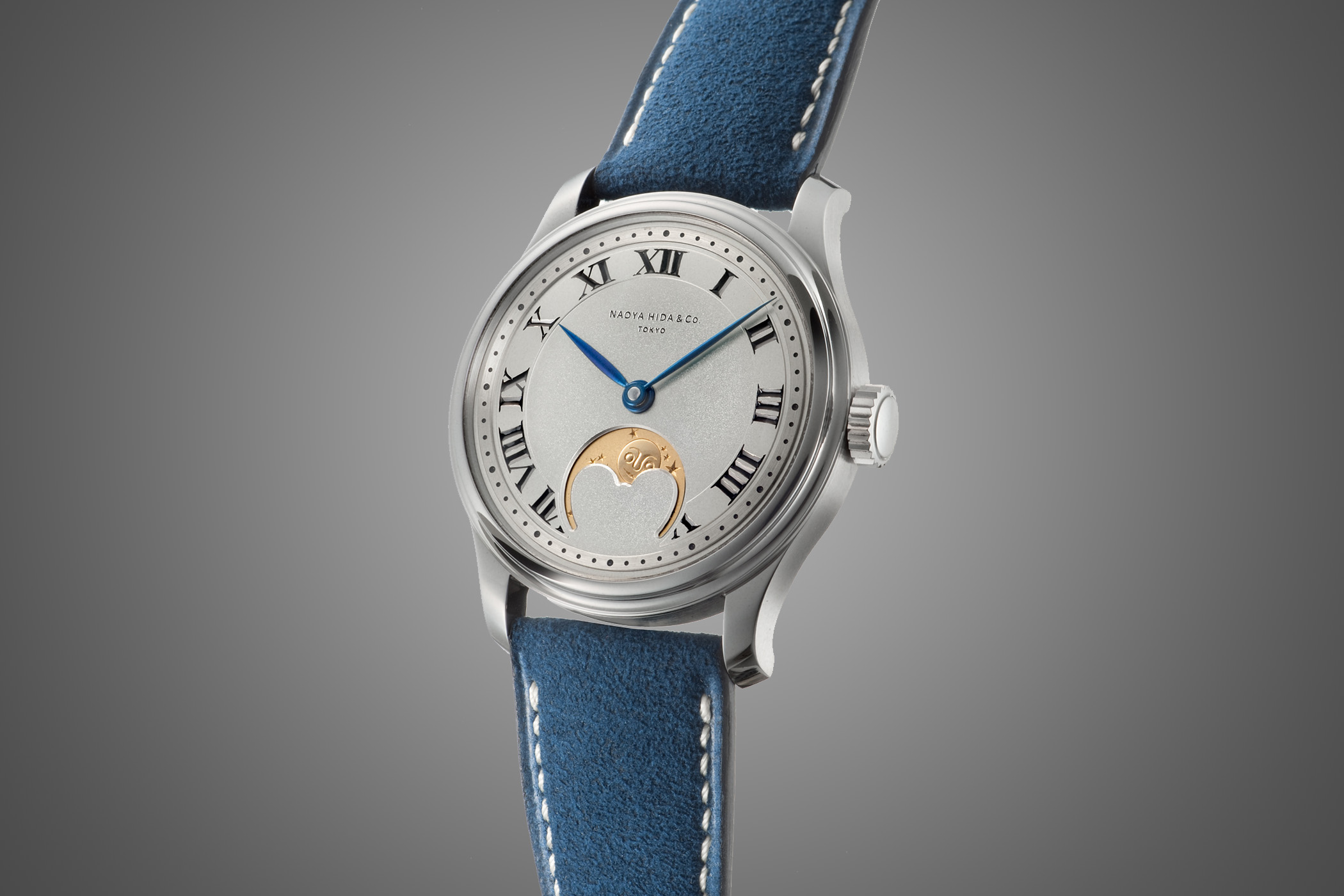
His designs are inspired by mid-20th-century watch aesthetics, featuring minimalist dials, refined typography, and exceptional finishing. Production numbers remain extremely limited, contributing to the brand’s desirability among collectors.
Ultra-refined minimalism.
Characteristics:
• classic vintage style
• hand-finished details
• extremely small production
• philosophical design approach
His watches are often called the “Japanese Philippe Dufour aesthetic.”
Kikuchi Nakagawa
Kikuchi Nakagawa watches are known for their remarkable dial textures and carefully balanced design language.
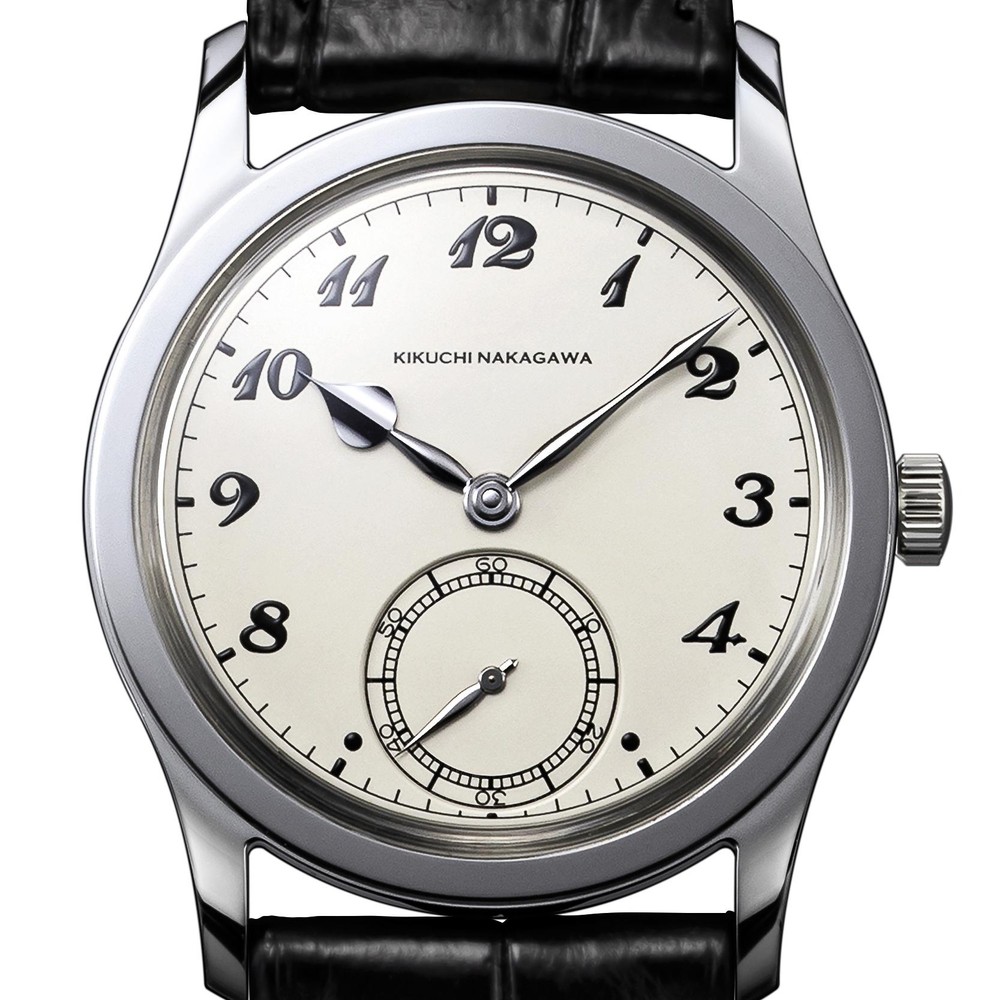
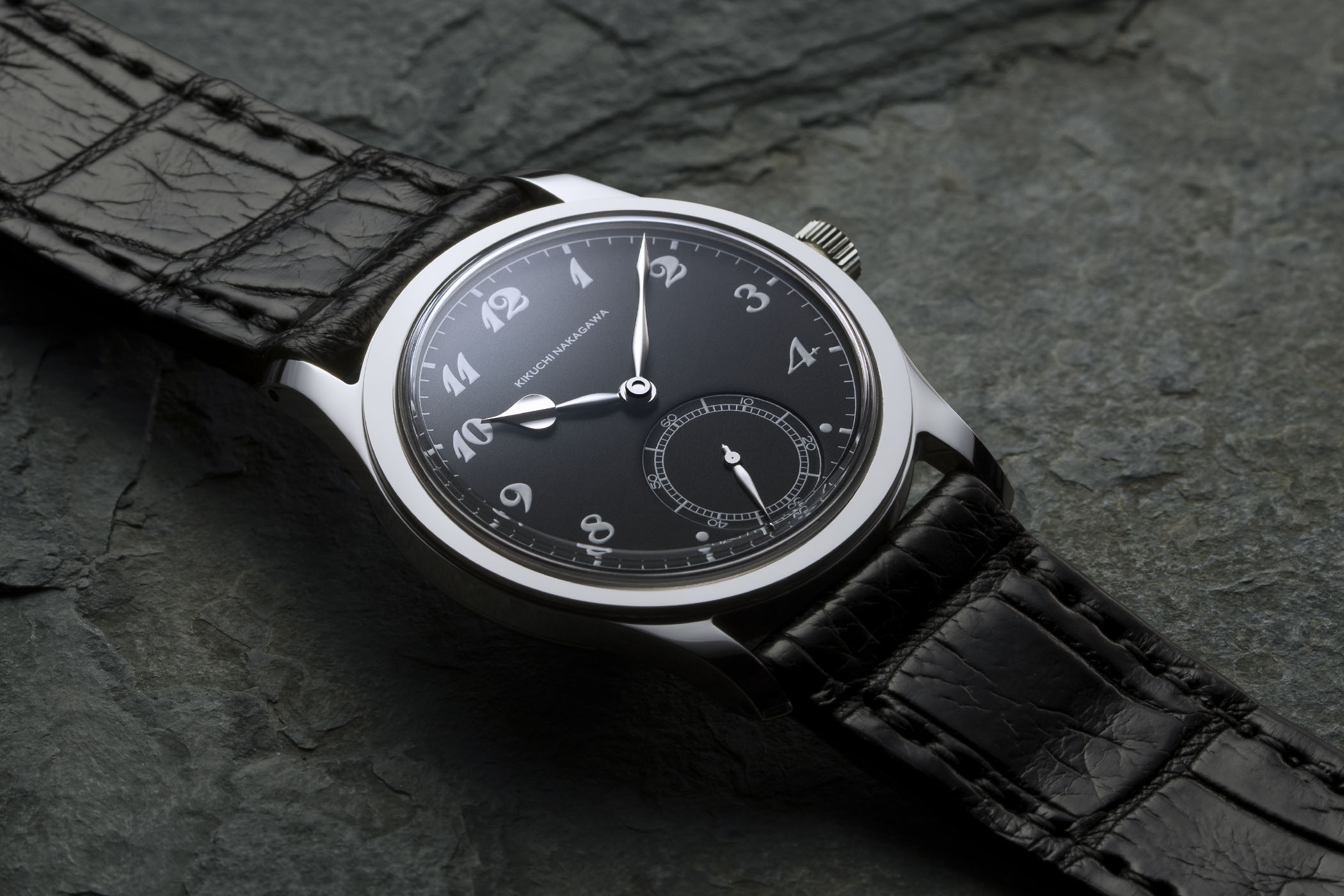

These watches demonstrate how Japanese aesthetics can influence modern horology through subtle surface treatments and restrained visual composition.
Extremely respected among high-end collectors.
Characteristics:
• handmade dial finishing
• traditional Japanese aesthetics
• low production numbers
Many collectors consider them future legends.
Otsuka Lotec
Among contemporary Japanese watchmakers, Otsuka Lotec stands out for its unconventional mechanical displays.

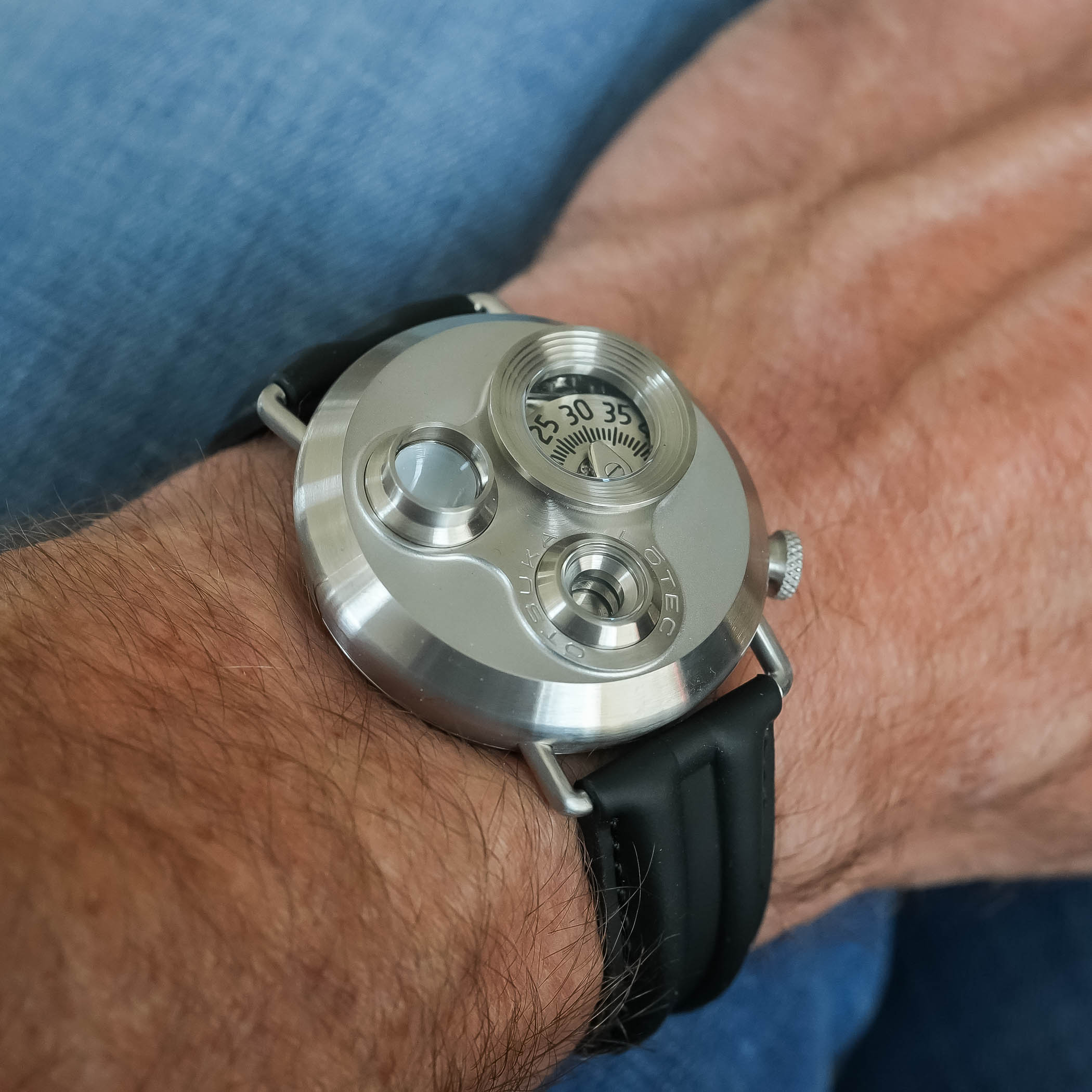

Created by Tokyo watchmaker Jiro Katayama, these watches often resemble mechanical instruments rather than traditional wristwatches. Their dials feature rotating discs, jumping hour mechanisms, and architectural layouts inspired by industrial gauges.
When the Otsuka Lotec No.6 received a major award at the Grand Prix d’Horlogerie de Genève, the brand suddenly gained international recognition.
Known for:
• industrial instrument aesthetics
• jumping hour systems
• unusual mechanical displays
The GPHG award dramatically raised its global profile.
Boutique Japanese Watch Brands (Collector Favorites)
Not all influential Japanese watchmakers operate as single-person ateliers.
Some boutique brands have built strong international followings by combining Japanese craftsmanship with distinctive design philosophies.
These brands have very passionate followings.
Kurono Tokyo
Kurono Tokyo was founded around a simple idea:
Independent watch design should not be limited only to ultra-wealthy collectors.
Rather than producing watches with fully handmade movements like Asaoka’s atelier pieces, Kurono Tokyo focuses on design excellence and limited production runs while using reliable mechanical movements sourced from established manufacturers. This approach allows the watches to remain accessible while still carrying the aesthetic DNA of independent watchmaking.

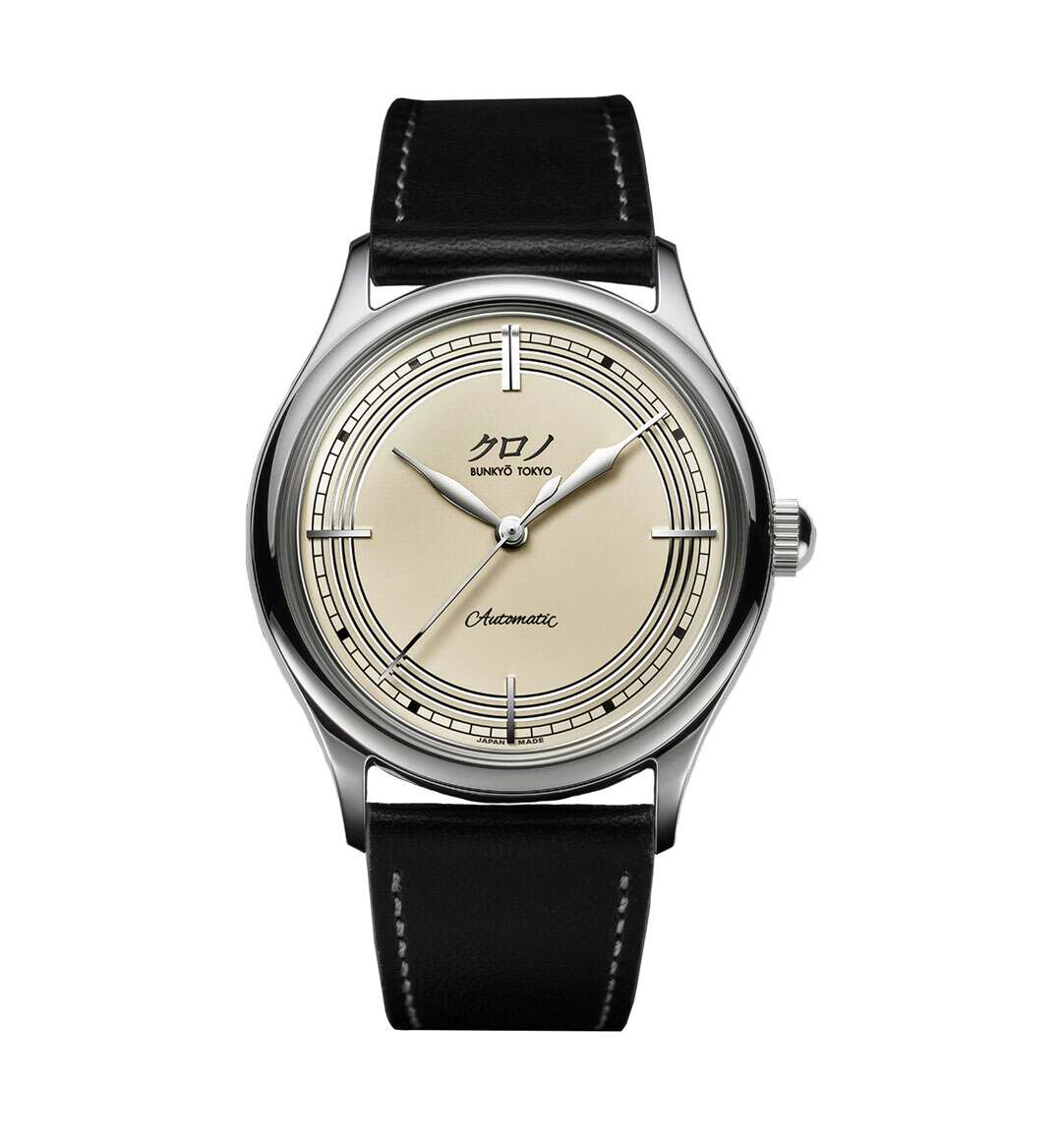
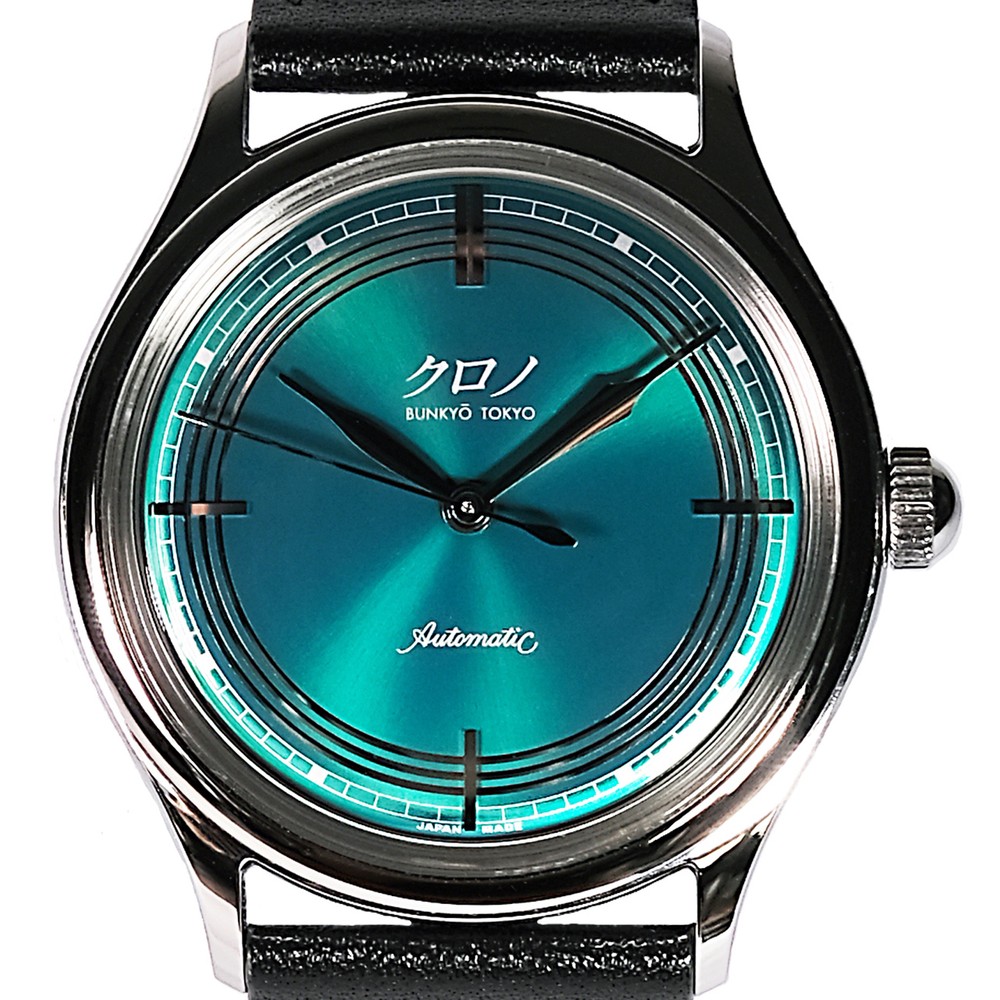
The brand’s philosophy is summarized by three core principles:
Design purity
Every Kurono dial is meticulously composed, often combining classical watch design elements with subtle Japanese artistic influences.
Limited production
Kurono releases watches in controlled batches rather than continuous production models.
Collector-first culture
Instead of chasing mass distribution, the brand focuses on maintaining a close relationship with enthusiasts.
Minase
Unlike many watch brands that began as watchmakers, Minase emerged from the world of precision metal manufacturing.
The brand was created by Kyowa Co., a Japanese engineering company founded in 1963 in Akita Prefecture. Kyowa specialized in producing extremely precise components for demanding industrial applications. Over time, the company developed expertise in complex machining techniques and high-tolerance metal finishing.
When Minase launched as a watch brand, it inherited this engineering heritage.
Rather than starting with traditional watchmaking practices, Minase approached watch design through the lens of precision metal construction. This perspective shaped everything from the case structure to the finishing techniques used on the watches.
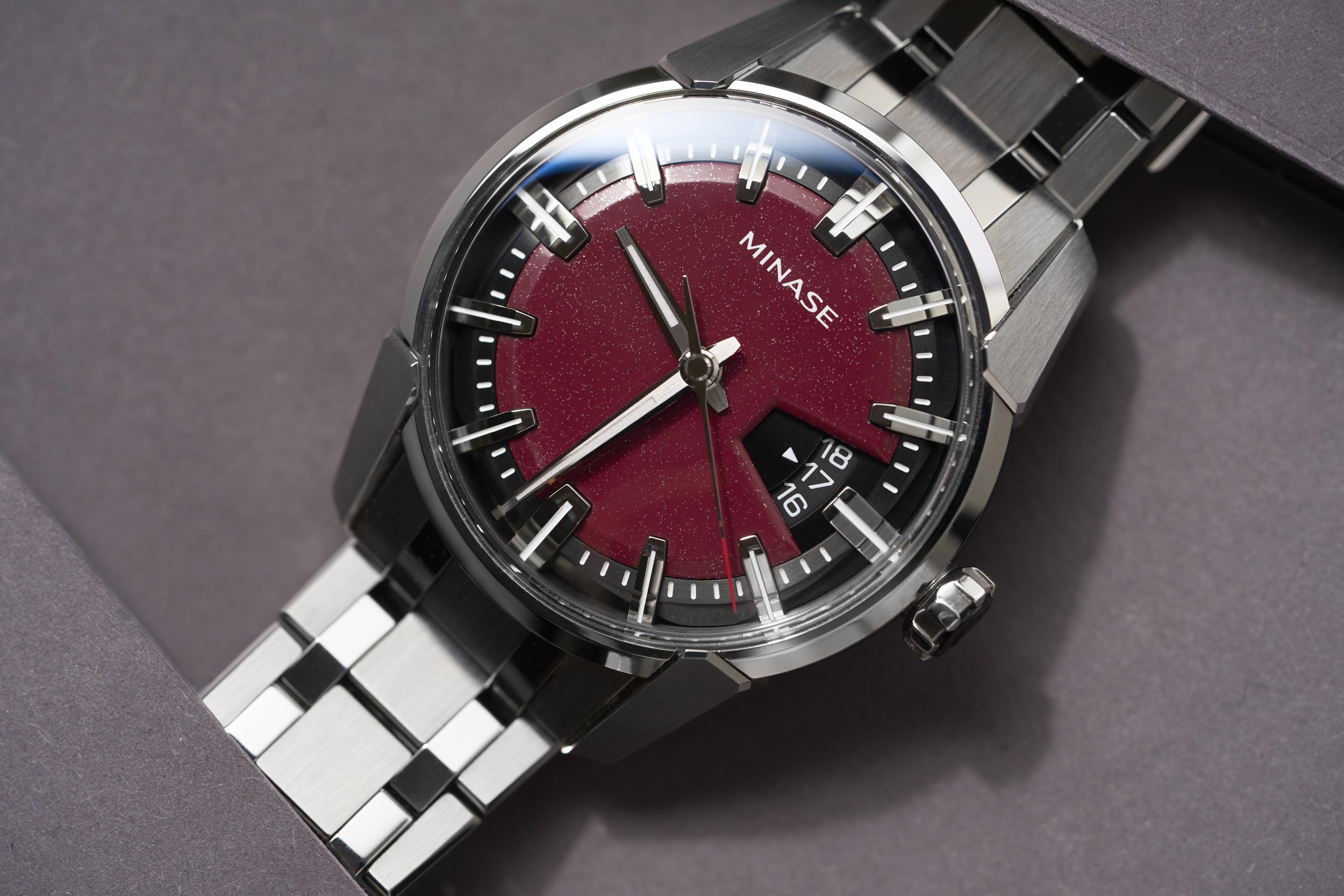
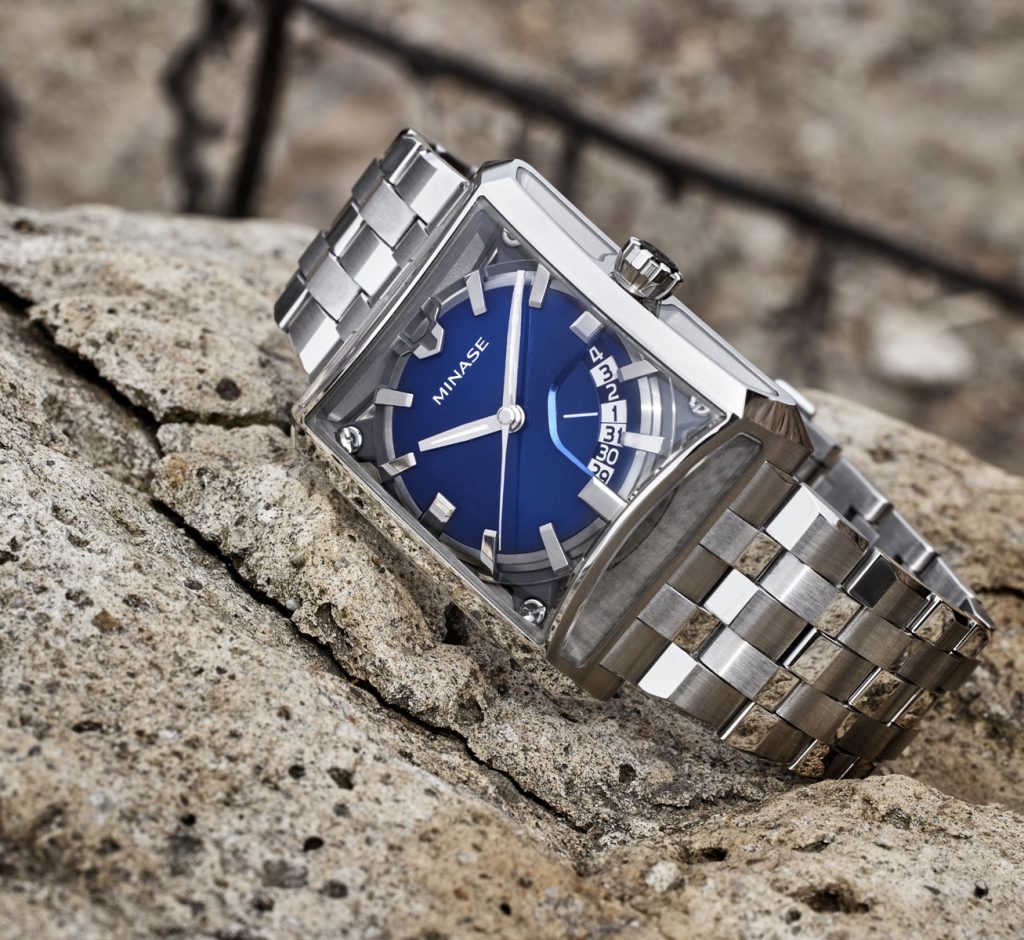
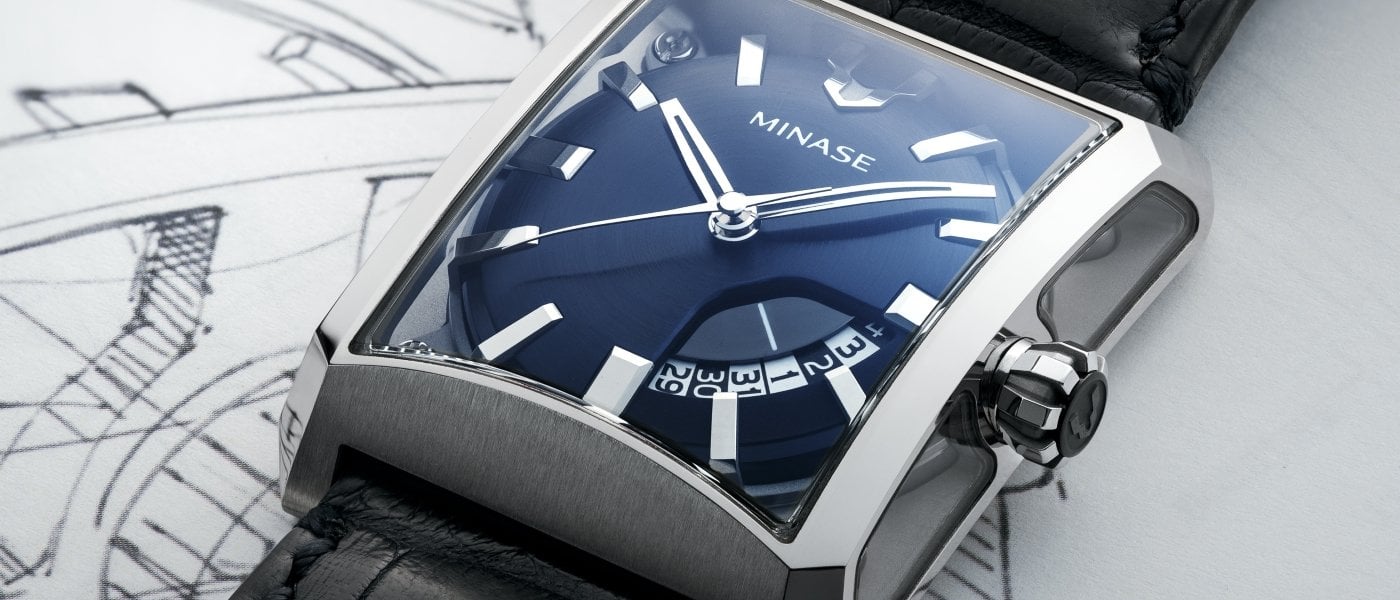
The brand focuses on precision machining, architectural case construction, and advanced finishing techniques similar to those used in Japan’s highest-end watchmaking studios.
Their watches often feature modular cases and multi-layered dial structures that emphasize three-dimensional design.
A fascinating company from Akita.
Specialty:
• Sallaz polishing like Grand Seiko
• modular case architecture
• fully serviceable cases
Collectors love the Divido and Five Windows models.
Kikuchi Nakagawa
Kikuchi Nakagawa was founded by two individuals with complementary expertise.
Tomonari Nakagawa is responsible for design and production management, while Ryota Kikuchi serves as the master watchmaker responsible for assembly and finishing.
Before launching their own brand, both founders gained experience in the Japanese watch industry. This background allowed them to develop a deep understanding of watchmaking techniques while also forming their own ideas about how modern watches should be designed.
Their shared vision was to create watches that combine Swiss-style mechanical watchmaking traditions with Japanese craftsmanship and aesthetic philosophy.
Extremely respected among high-end collectors.
Characteristics:
• handmade dial finishing
• traditional Japanese aesthetics
• low production numbers
Many collectors consider them future legends.
Takano
Takano’s origins trace back to the post-war rebuilding period of Japan.
The company was founded as Takano Precision Industry Co., Ltd. in Tokyo during the early 1950s. Japan’s watch industry at that time was still developing, and several manufacturers were experimenting with ways to compete with Swiss watchmaking.
Takano focused on producing mechanical wristwatches with a strong emphasis on precision engineering.
The brand name itself reflected this ambition.
“Takano Precision” suggested a company determined to establish credibility through accuracy and mechanical quality rather than sheer production volume.


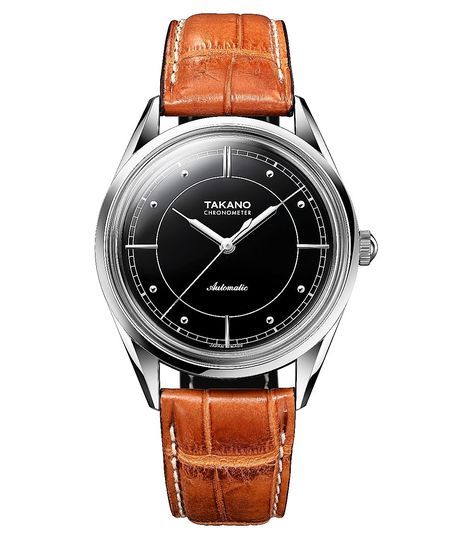
Revival of a historic Japanese watch brand. Small production, niche collector community.
Takano’s watchmaking activity lasted only a few years, roughly from the mid-1950s to the early 1960s.
During this brief period, the company introduced several notable models that demonstrated impressive technical capability.
Among the most recognizable was the Takano Chateau series.
These watches featured:
• slim stainless steel cases
• elegant mid-century dial layouts
• applied hour markers
• mechanical hand-wound movements
The designs reflected the global watch aesthetics of the 1950s but also carried subtle Japanese influences in typography and dial balance.
Collectors often describe Takano watches as possessing a quiet elegance comparable to early dress watches from Swiss brands.
Japanese Micro-Independents with Cult Followings
These brands are less famous but very loved by enthusiasts.
Kurono Tokyo
Kurono Tokyo was founded by Hajime Asaoka, one of Japan’s most respected independent watchmakers.
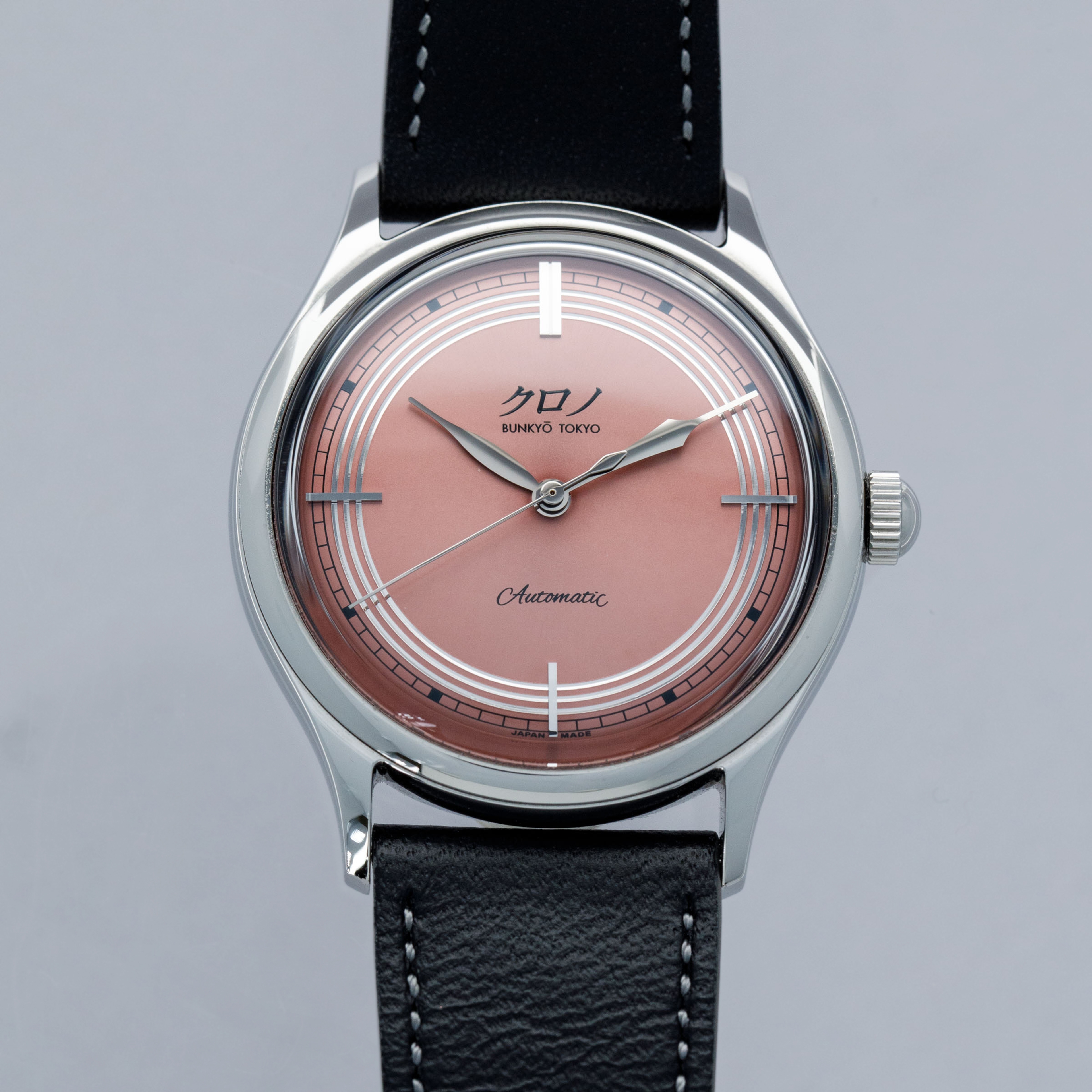

Asaoka is known for producing extremely limited mechanical watches entirely by hand in his Tokyo atelier. These watches are highly sought after and produced in tiny quantities, often fewer than a few dozen pieces per year.
Kurono Tokyo was created as a separate brand that could share Asaoka’s design language with a broader audience of collectors.
Rather than replicating his fully handmade watches, Kurono focuses on:
• elegant dial design
• refined case proportions
• limited production batches
• accessible pricing relative to haute horology
The result is a watch that carries the aesthetic DNA of independent watchmaking while remaining attainable for enthusiasts who might otherwise never experience it.
Kuoe Kyoto
Kuoe Kyoto was founded in 2020 by Yosuke Ito, a watch enthusiast who wanted to create watches inspired by the golden age of mechanical watch design.
The brand’s location is significant.
Kyoto, Japan’s former imperial capital, is widely associated with traditional craftsmanship, historic architecture, and refined design culture. The city’s atmosphere encourages careful attention to detail and respect for historical aesthetics.
Kuoe’s watches reflect this environment. Their designs feel restrained and elegant rather than flashy, emphasizing balance and proportion over decorative complexity.


A small Kyoto brand known for:
• vintage British military style
• very refined finishing for the price
• loyal fanbase internationally.
The name Kuoe is derived from a Japanese word suggesting “to create with sound or harmony.”
This idea reflects the brand’s philosophy of achieving balance between form and function.
Rather than simply reproducing vintage watch designs, Kuoe aims to reinterpret them through a modern lens, maintaining the proportions and elegance that defined mid-century mechanical watches.
Knot Watches
Knot was founded in Tokyo in 2014 by entrepreneur Masashi Enami. His vision was to create a watch brand that would highlight the craftsmanship of different regions across Japan.
Japan has a long history of specialized craft traditions. Different prefectures are known for producing particular materials or techniques, from leatherworking to textiles and metalwork.
Rather than producing all components in a single location, Knot sought to integrate these regional crafts into its watch ecosystem.
As a result, the brand developed a model where customers could pair a watch head with straps produced by artisans from across Japan.


Tokyo brand focusing on:
• Japanese craftsmanship
• modular straps
• domestic production parts.
The watch heads themselves reflect a distinctly Japanese approach to design.
Rather than ornate complications or aggressive styling, Knot watches emphasize:
• clean dial layouts
• balanced typography
• simple geometric cases
• subtle color palettes
Many models feature thin profiles and restrained aesthetics that allow the craftsmanship of the strap materials to become an important visual element.
This minimalism aligns with broader Japanese design traditions where clarity and balance often take precedence over decoration.
The Philosophy Behind Japanese Craftsmanship
Japanese watchmaking reflects broader cultural philosophies related to craftsmanship and design.
One important concept is monozukuri, which refers to the spirit of making things with dedication and pride.
Another concept, wabi-sabi, celebrates subtle beauty and imperfection. Rather than pursuing flawless uniformity, artisans often value the natural character that emerges through careful handwork.
These ideas influence the aesthetics of Japanese independent watches, which often emphasize restraint, balance, and quiet refinement.
Why Collectors Are Paying Attention
Several factors are contributing to the growing interest in Japanese independent watchmaking.
First, production numbers remain extremely small. Many watchmakers produce only a few dozen watches each year.
Second, these watches often display a level of originality rarely seen in mainstream luxury brands.
Third, the watches carry a strong sense of authorship. Each piece reflects the personality and philosophy of its creator.
For collectors accustomed to mass-produced luxury goods, this sense of individuality holds enormous appeal.
The Future of Japanese Independent Horology
Japanese independent watchmaking is still in its early stages compared to Switzerland’s centuries-old tradition.
Yet the movement continues to grow as more collectors discover these watchmakers.
Small ateliers are gaining international recognition, and new designers are entering the field.
If the current momentum continues, Japanese independent horology may become one of the defining movements in 21st-century watchmaking.
For collectors willing to explore beyond the traditional luxury brands, this emerging world offers extraordinary opportunities to discover watches that combine craftsmanship, originality, and rarity.
Collector Buying Guide (Preview)
Future collection pages can explore individual makers in greater depth.
Recommended collector entry points:
Hajime Asaoka
high-end independent masterpieces
Naoya Hida
minimalist collector watches
Otsuka Lotec
experimental mechanical displays
Kikuchi Nakagawa
dial artistry
Masahiro Kikuno
historical horology
Kurono Tokyo
limited design releases
Minase
architectural mechanical watches
A Quiet Door Into Japan’s Collector Circles
Some of the most extraordinary objects in Japan never reach the global market.
They remain in the hands of specialist dealers, private collections, small workshops, or local trading networks that operate quietly within the country. Many pieces appear only briefly before moving on to another collector.
Through the Japonista Collector Programs, we assist collectors, institutions, and enthusiasts who are searching for pieces that are difficult to locate outside Japan.
Our team works on the ground in Japan and can help navigate the local ecosystem of antique shops, specialist markets, estate discoveries, and independent makers. Each request is approached with patience and care, whether the search is for a rare timepiece, a historical object, or a particular piece that has proven elusive.
Every collector’s pursuit is different, and the approach should be as well.
If you are currently looking for something specific, or simply wish to explore what might be possible to source from Japan, we welcome you to reach out and tell us about your interests.
We would be honored to assist in the search.
Contact our Concierge Team
to discuss your collecting goals and sourcing inquiries.