

Yokosuka Dobuita Street & the Birth of Sukajan — From Post-War Souvenirs to Global Japanese Fashion Icon
Sukajan, short for Yokosuka jumper, refers to satin or velveteen bomber jackets embroidered with bold, symbolic motifs such as dragons, tigers, eagles, and naval insignia. While now celebrated as an iconic piece of Japanese fashion, its origins trace back to the late 1940s, in the immediate aftermath of World War II.
Yokosuka, home to one of the most significant U.S. Navy bases in postwar Japan, became a focal point of cultural exchange. Dobuita Street emerged as a bustling commercial artery, lined with tailor shops, souvenir stalls, and PX-adjacent merchants catering to American servicemen seeking tangible memories of their time abroad.
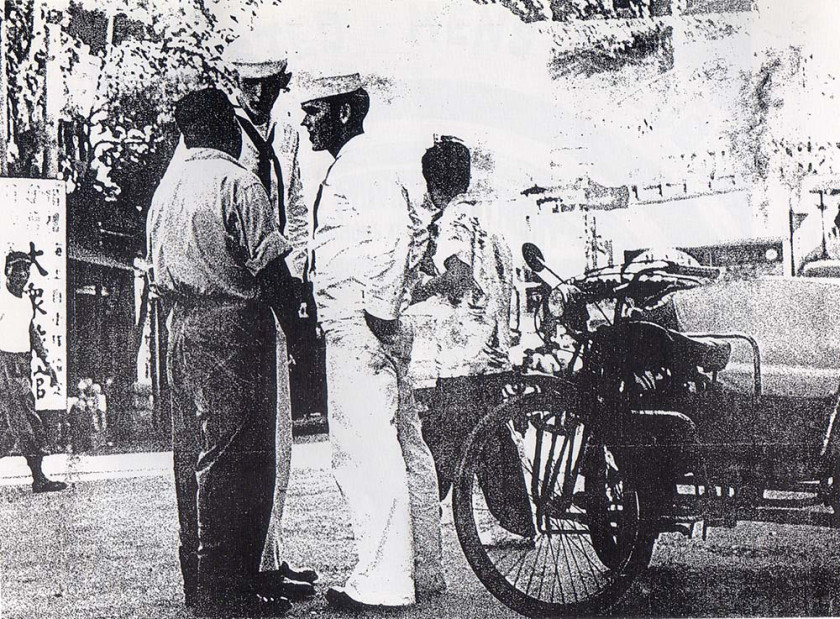
Yokosuka Dobuita Street, 1950s — Collection: Dobuita Shopping District Promotion Association
Japanese craftsmen responded to this demand by creating jackets that fused American silhouettes with East Asian embroidery traditions. Soldiers often commissioned custom designs featuring unit emblems, aircraft carriers, or personalized symbols. These jackets became deeply personal artifacts—commemorations of service, place, and experience.
From the Korean War through the Vietnam War, sukajan reached peak popularity among American servicemen. Thousands were carried back to the United States, inadvertently exporting a new hybrid fashion form that blended military culture with Japanese artistry.
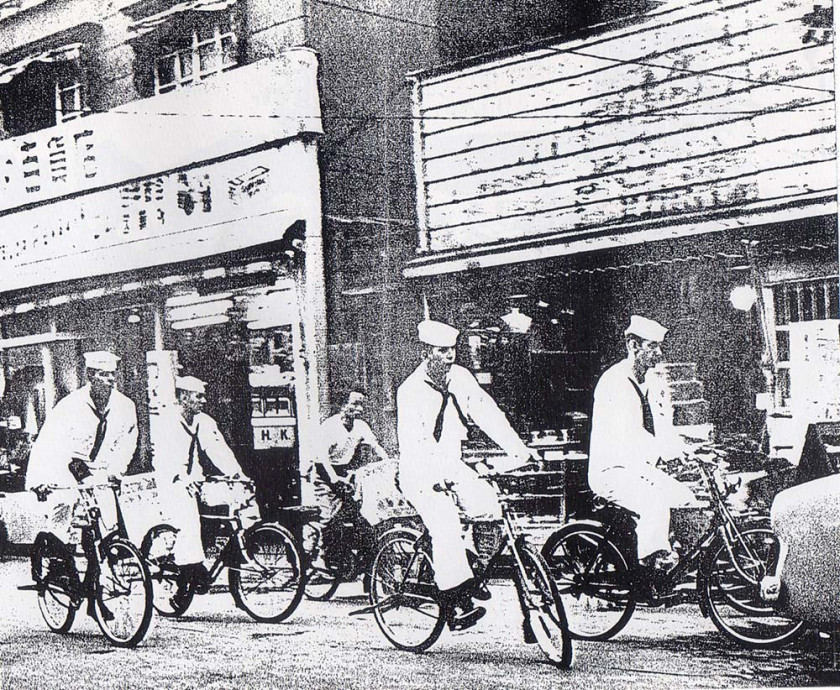
U.S. Navy sailor in Yokosuka, 1950s — Collection: Dobuita Shopping District Promotion Association
By the 1970s, sukajan experienced a cultural rebirth within Japan. Young people, inspired by American films and actors, embraced the jacket as a symbol of rebellion and nostalgia. The term “sukajan” entered popular language, firmly linking the garment to Yokosuka.
The 1990s marked another pivotal chapter. Vintage American clothing returned to Japan in massive quantities—among them, original sukajan that had left decades earlier. Japanese manufacturers studied these garments closely, launching meticulous reproductions that honored original construction, embroidery patterns, and materials.
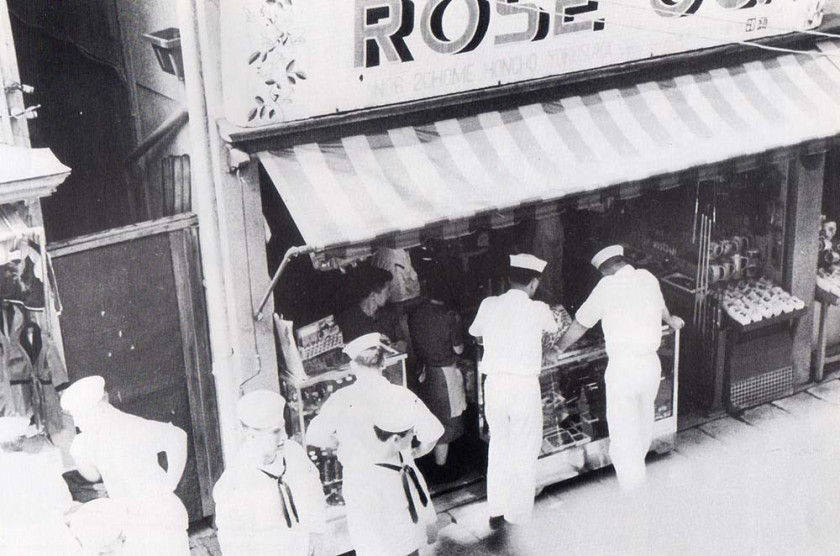
Dobuita Street, 1960s — Collection: Dobuita Shopping District Promotion Association
Today, sukajan has transcended borders and stereotypes. Once defined by toughness and masculinity, it is now embraced by women, collectors, and luxury fashion houses alike. From Tokyo streetwear to Paris runways, sukajan continues to evolve while remaining anchored to its Yokosuka roots.
To wear a sukajan is to wear history—a garment shaped by war, craftsmanship, cultural fusion, and resilience. Its story continues, stitched into every thread.