

Yokosuka Dobuita Street & the Sukajan Story: Postwar Origins, GI Souvenirs, and the Rise of Tailor Toyo
Copyright note: This article is a curator-written, original editorial summary and expansion of commonly discussed sukajan history and heritage context.
Sukajan—often glossed as the Yokosuka jumper—is one of Japan’s most iconic hybrid garments: born from a specific place, a specific historical moment, and a very particular kind of cultural exchange. What began as an embroidered keepsake for foreign servicemen in the late 1940s evolved into a wearable symbol of postwar Japan, later reinterpreted by Japanese youth culture, rediscovered through vintage collecting, and eventually absorbed into global fashion as the definitive “souvenir jacket” reference.
Dobuita Street, Yokosuka: Where the Sukajan Story Becomes Real
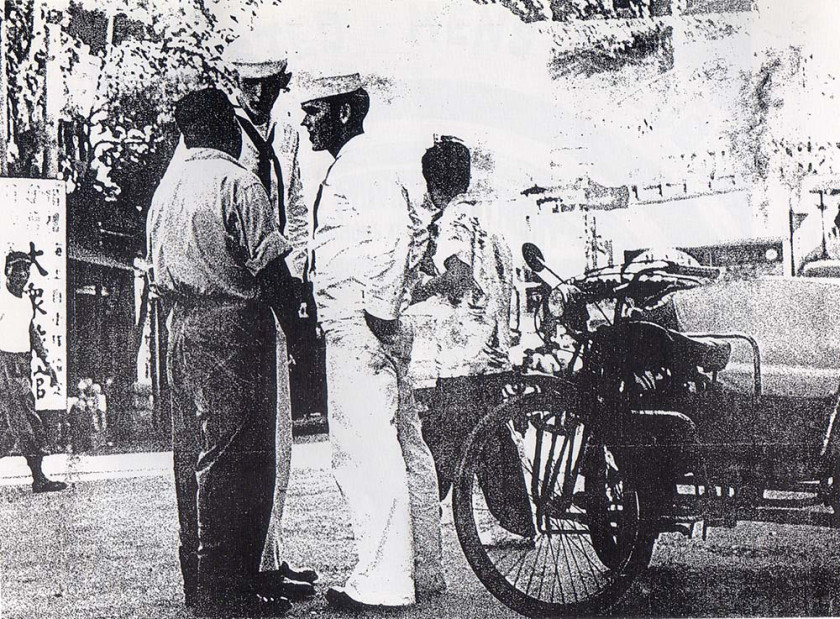
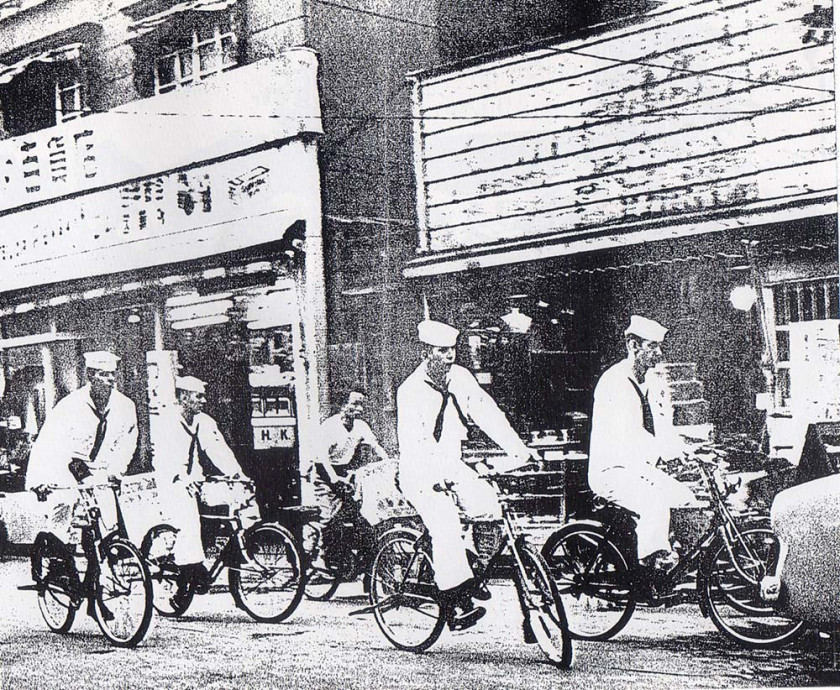
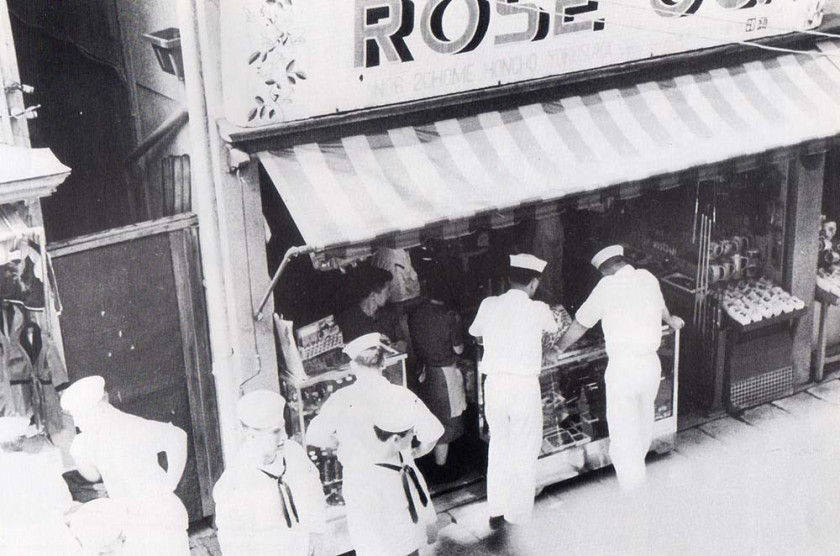
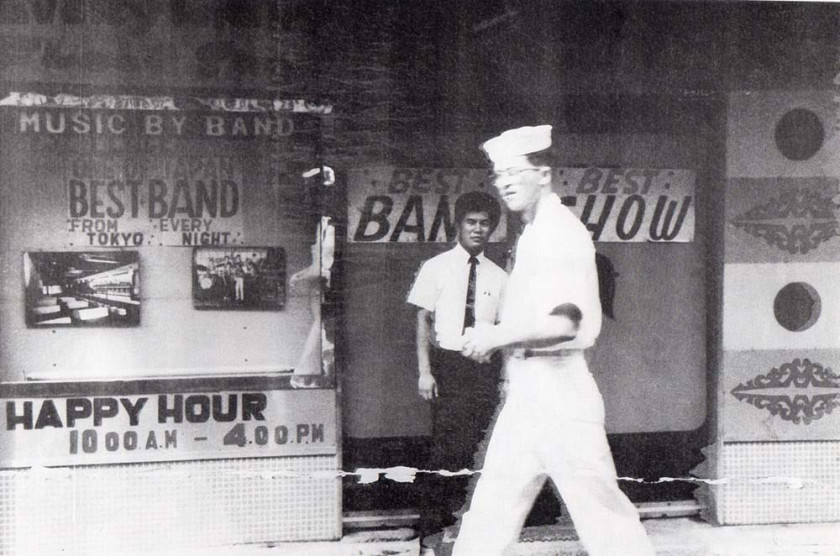
To understand sukajan beyond “cool satin jacket with dragons,” you start in Yokosuka. As a port city shaped by maritime life and a major postwar U.S. military presence, Yokosuka became a place where sailors, supply routes, tailoring services, and souvenir demand converged. Dobuita Street (Dobuita-dōri) sits at the center of that ecosystem: a commercial artery where visitors could buy goods, curios, and culturally “Japan-coded” mementos.
In curator terms, Dobuita wasn’t simply a shopping street. It was a translation zone—where Japanese craftsmanship adapted quickly to what foreign customers wanted to bring home. That is the environment that made the souvenir jacket possible at scale.
Postwar Origins: A Familiar Silhouette, a New Visual Language
Early souvenir jackets are best understood as a smart remix. Take a jacket silhouette that feels familiar to Americans (sporty, bomber-adjacent), then load it with embroidery that reads unmistakably “Japan” at a glance—dragons, tigers, eagles, maps, cherry blossoms, and sometimes unit insignia or personalized text. The result was not just decorative: it was designed to be read across a room.
Materials and production context matter. These jackets emerged from postwar constraints and improvisation—where substitutes and available fabrics were used, and embroidery production connected to established craft regions. This is part of why the best examples feel so compelling: they carry both scarcity-era ingenuity and high-impact visual ambition.
Motifs That Endure: Why Dragons, Tigers, and Eagles Keep Returning
Sukajan imagery stabilizes around motifs that do serious symbolic work—because they deliver meaning fast, and they embroider beautifully at distance:
- Dragon (ryū): protection, power, and a mythic signature that reads “East Asian prestige.”
- Tiger (tora): ferocity, courage, and a strong graphic profile in dense threadwork.
- Eagle: a direct American emblem, often paired with Japanese motifs to fuse “home” and “abroad.”
- Maps / place-names: proof-of-presence—turning geography into biography.
As collecting culture matured, motifs became a reference system. Collectors “read” era and intent through composition choices: how full the back panel is, whether the art leans emblematic or painterly, the palette strategy, reversible construction, and typography choices.
1970s–1990s: From Souvenir to Subculture, Then to Vintage Mythology
As Japan’s relationship with American casual style deepened, souvenir jackets shifted identity. For Japanese youth, sukajan stopped being “a souvenir for foreigners” and became “a statement piece”—bold, rebellious, and tied to port-city edge. Later, as vintage flows intensified, older souvenir jackets began circulating again, and the jacket gained a new aura: a time capsule with stitching.
This is the era when “sukajan” becomes a category with multiple lanes: original vintage, postwar-era variants, subculture-linked pieces, and faithful reproductions built to preserve techniques that mass fashion can’t replicate.
Tailor Toyo: Why Heritage Matters
Tailor Toyo is widely regarded as one of the most important names in sukajan’s heritage landscape—because the brand’s identity is anchored in continuity. The goal is not “trend embroidery,” but preservation of the souvenir jacket as a craft tradition and cultural artifact: motif grammar, satin sheen, reversible builds, embroidery density, and era-accurate silhouettes.
For collectors, this is the difference between a bomber jacket with decorative stitching and a sukajan that feels like it belongs to the lineage—rooted in Yokosuka’s postwar reality and refined through decades of cultural reinterpretation.
Why Sukajan Still Hits Today
Sukajan remains globally compelling because it sits at the intersection of:
- Military history + streetwear evolution
- Craftsmanship + bold graphic design
- Regional identity (Yokosuka) + international fashion circulation
That’s why the jacket keeps returning—on runways, in archives, on collectors, and on the street. Sukajan is not merely nostalgia. It is a living garment tradition that reads instantly—and rewards you more the deeper you learn its context.