

The Birth of Sukajan: How Dobuita Street Forged Yokosuka’s Most Enduring Cultural Icon
The Birth of Sukajan: How Dobuita Street Forged Yokosuka’s Most Enduring Cultural Icon
At first glance, sukajan is often misunderstood. Many people associate it with loud back embroidery, delinquent youth culture, or a rough, rebellious image tied to certain eras of postwar Japan. Yet when the surface impressions are stripped away, sukajan reveals itself as something far more significant: a textile artifact born from occupation-era Yokosuka, shaped by cross-cultural exchange, and sustained by generations of highly skilled craftsmanship.
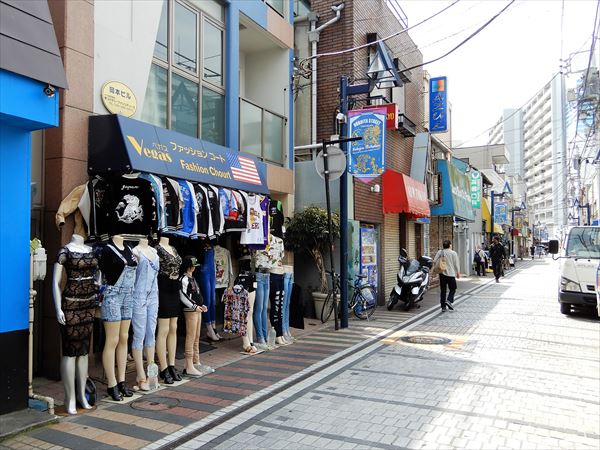
Sukajan is inseparable from Dobuita Street, a narrow commercial artery in Yokosuka that has long functioned as a cultural interface between Japan and foreign military presence. Before the war, the area thrived as a gate town for the Imperial Japanese Navy. After the war, it transformed into a dense strip of souvenir shops, bars, tailors, and small businesses serving occupation forces and later American servicemen stationed at the nearby base.
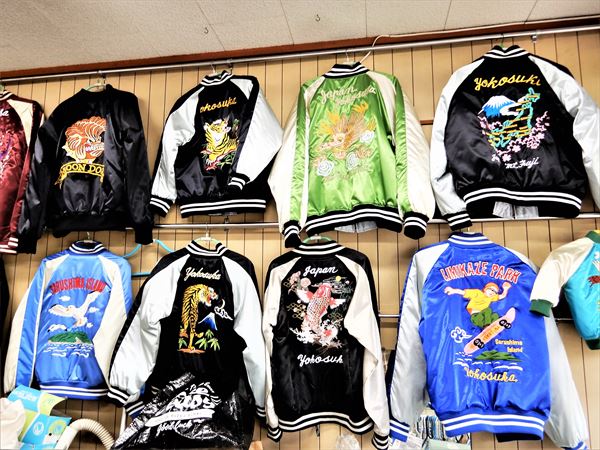
The word “sukajan” is commonly understood as shorthand for “Yokosuka jumper.” In the immediate postwar years, American soldiers brought fabric—often parachute silk—and asked local tailors to produce souvenir jackets. These garments followed a familiar American jumper silhouette, enhanced with bold embroidery depicting eagles, dragons, tigers, cherry blossoms, Mount Fuji, and place names.
Originally known simply as souvenir jackets, these garments were intended to be taken overseas as proof of time spent in Japan. Over time, however, their meaning shifted. As Japanese youth cultures embraced sukajan during the 1960s and 1970s, the jacket became embedded in domestic street culture, and its identity evolved from export souvenir to local symbol.

Dobuita Street has since reclaimed its historical role. The “Declaration of the Birthplace of Sukajan” formally recognized the street as the jacket’s origin, reinforcing sukajan’s status as cultural heritage rather than mere fashion.
Today, Dobuita Street presents a layered ecosystem of sukajan culture. Long-established shops operate alongside newer retailers, offering jackets that range from affordable, machine-embroidered pieces to fully custom, hand-guided works. Prices reflect not only materials, but the level of craftsmanship involved.
Craftsmanship and the Future of Sukajan
Central to sukajan’s identity is its embroidery. Traditional horizontal embroidery machines require simultaneous control of hands, feet, and knees, producing work with depth, warmth, and subtle irregularity. This technique connects sukajan to older textile regions such as Kiryu, where embroidery skills have been refined for centuries.
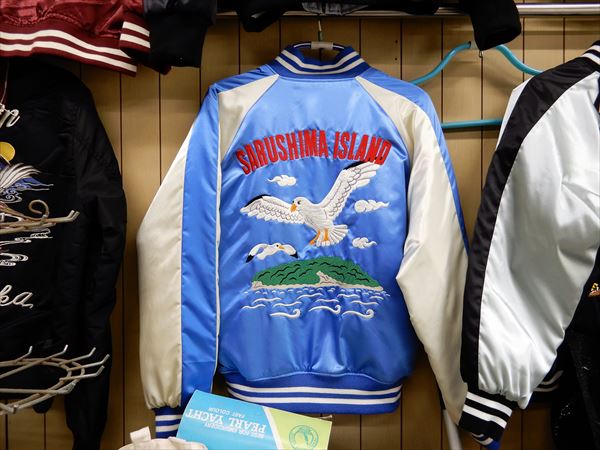
While computerized embroidery has made sukajan more accessible, it has also highlighted the fragility of traditional skills. Many master craftsmen are aging, and successors are few. Yet signs of renewal are emerging as younger artists seek out these techniques, learning directly from veterans and adapting them for contemporary expression.
What sustains sukajan is continuity. It is still worn, sold, discussed, and reinterpreted on Dobuita Street. It appears not only in shop windows but in daily life—proof that sukajan is not a frozen relic, but a living archive of Yokosuka’s postwar history.